

U.S., Iran approach a peace agreement
U.S., Iran approach a peace agreement
Posted June. 16, 2026 08:26,
Updated June. 16, 2026 08:26
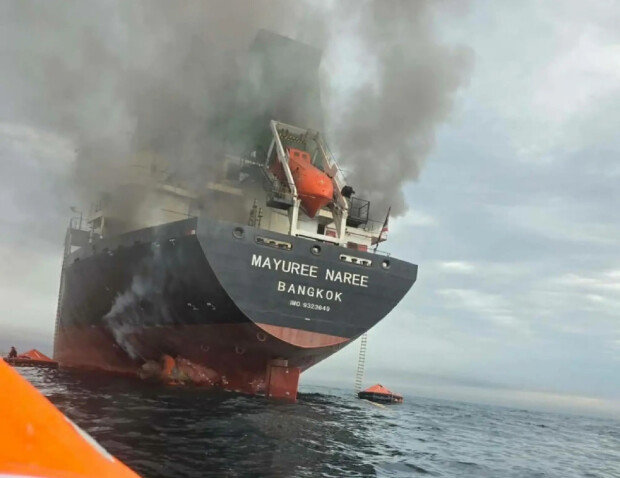
The United States and Iran agreed June 14 on a memorandum of understanding that could pave the way for an end to the war, including a 60-day extension of the ceasefire and the reopening of the Strait of Hormuz, a key route for global oil shipments that Iran has kept closed. The agreement marks the biggest diplomatic breakthrough since fighting erupted Feb. 28, bringing the two sides closer to ending a conflict that has now stretched beyond 100 days.
Delegations from both countries will meet in Switzerland on June 19 to sign the MOU and begin negotiations on some of the most difficult outstanding issues, including limits on Iran's nuclear program and access to Iranian assets frozen by the United States. Even so, sharp differences remain, and opposition from hard-liners in both countries could complicate efforts to translate the agreement into a lasting peace.
U.S. President Donald Trump announced the deal on Truth Social on June 14, which was also his 80th birthday. “The deal with Iran is now complete,” Trump wrote. “This great agreement will bring peace and security to the Middle East.”
Iran's Supreme National Security Council said June 15, Iran time, that it had finalized the text of the MOU and declared that war and military operations on all fronts, including Lebanon, would end immediately and permanently. Pakistani Prime Minister Shehbaz Sharif, who has helped mediate between the two sides, confirmed the development on X.
Under the agreement, Iran is expected to reopen the Strait of Hormuz after the MOU is signed on June 19. The strategic waterway carries about 20% of the world's oil shipments. The United States, in turn, will lift counter-blockade measures imposed in response to Iran's restrictions on maritime traffic. Trump said oil would once again flow freely through the Middle East and into global markets.
The agreement at least buys both sides time, halting military confrontation for now and easing pressure on global energy markets. Analysts say neither country was eager to prolong the conflict. Iran continues to grapple with deep economic problems, while Trump faces political pressure from high energy prices ahead of November's U.S. midterm elections.
The nuclear issue remains the biggest obstacle. Iran has agreed only to the broad principle of not pursuing nuclear weapons. Washington and Tehran remain divided over what should happen to Iran's stockpile of enriched uranium, how much enrichment should be allowed and for how long, and how nuclear facilities should be inspected.
The two sides are also far apart on sanctions relief and frozen Iranian funds. Washington favors a phased easing of sanctions tied to measurable progress on dismantling Iran's nuclear capabilities. Tehran, meanwhile, is seeking broader and faster relief.
The New York Times reported June 14 that although both governments are portraying the MOU as a diplomatic victory, key issues such as curbs on Iran's nuclear activities and the scope of sanctions relief remain unresolved and have been left for future negotiations.
Jin-Woo Shin niceshin@donga.com

![[단독]선관위, 결재없이 55억 써도 견책… “솜방망이 징계에 기강 해이”](https://dimg.donga.com/c/138/175/90/1/wps/NEWS/IMAGE/2026/06/19/134138827.4.jpg)




 About Dong-A Ilbo