

Frequent filings burden Constitutional Court system
Frequent filings burden Constitutional Court system
Posted April. 24, 2026 08:48,
Updated April. 24, 2026 08:48
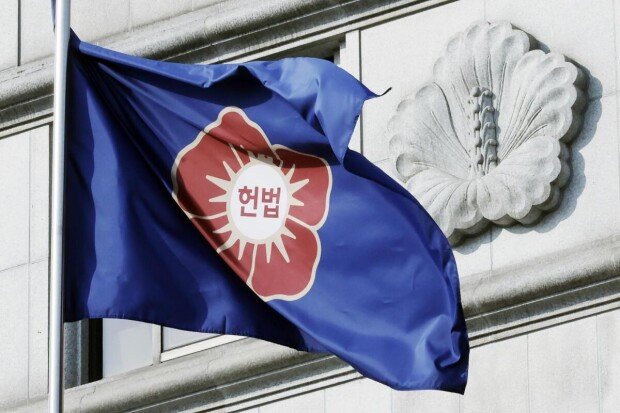
A small group of repeat litigants has filed nearly 5,000 petitions with South Korea’s Constitutional Court over the past five years, accounting for about one-third of all cases during that period.
Data submitted by the Constitutional Court to Rep. Kim Gi-pyo of the Democratic Party of Korea show that 4,657 filings, or 33.6 percent of total cases between 2021 and 2024, were made by the same individuals. Of those, 1,530 were general constitutional complaints, 516 sought constitutional review of statutes, and 2,591 were retrial petitions, which accounted for 55.6 percent of the total.
The court said it tracks repeat filers at the intake stage by identifying applicants and reviewing the substance of their claims, the frequency of submissions and filing patterns. It classifies individuals who file more than 50 cases a year as excessive litigants for internal monitoring.
From 2021 through 2025, 10 people fell into that category, each filing between 50 and 357 cases annually. All but nine cases were dismissed at the preliminary review stage. Of the nine that reached a full bench, two were ruled constitutional, two were rejected, two were dismissed, and three remain under review.
Measures to curb excessive litigation remain limited. In 2022, the court introduced rules allowing it to suspend access to its electronic filing system or revoke user registration for habitual filers. In practice, access has been suspended in only two cases. Legal experts remain divided, with some calling for stronger enforcement and others warning that broad restrictions could conflict with the court’s role in protecting fundamental rights.
The pattern has also appeared in judicial complaint cases. One filer, identified only by the surname Jang, submitted 308 general cases last year and has continued to file multiple judicial complaints this year, eight of which have already been dismissed. The court suspended Jang’s access to its electronic filing system from December through March as a disciplinary measure.
Observers warn that the volume of repetitive filings by a handful of individuals could slow the handling of more substantive cases. A court official said the institution has conducted policy studies and internal reviews to improve case processing and will continue to explore ways to address the issue.
여근호 기자 yeoroot@donga.com



![“노화 시력 되돌린다”…오메가3 아닌 ‘이 지방산’ 주목 [노화설계]](https://dimg.donga.com/c/138/175/90/1/wps/NEWS/IMAGE/2026/04/23/133799662.3.jpg)




 About Dong-A Ilbo