

Scientists reveal how leukemia drugs kill cells
Scientists reveal how leukemia drugs kill cells
Posted April. 24, 2026 08:46,
Updated April. 24, 2026 08:46
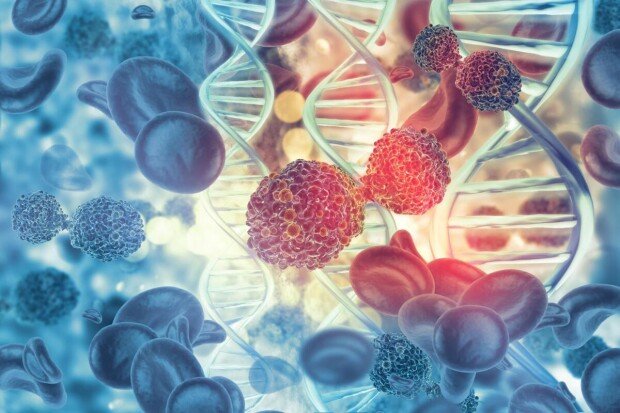
South Korean scientists have, for the first time, identified at the molecular level how targeted therapies for chronic myeloid leukemia kill cancer cells. The study shows that once inside the cell, the drug disrupts protein production, triggering collisions between ribosomes. The stress from these collisions drives the cancer cells to self-destruct.
KAIST said Wednesday that a joint research team led by Professor Lim Jeong-hoon of biological sciences at KAIST, Professor Kim Dong-wook of Uijeongbu Eulji University Hospital, and Professor Kim Hong-tae of UNIST has uncovered a previously unknown mechanism behind targeted leukemia treatments. The findings were published in the international journal Leukemia.
Chronic myeloid leukemia occurs when genetic abnormalities in hematopoietic stem cells produce an abnormal protein known as BCR::ABL1. This protein continuously sends growth signals that drive uncontrolled cell proliferation. Although targeted therapies are the standard treatment, some patients develop drug resistance or respond poorly.
The team found that the drug disrupts ribosome activity, leading to collisions that create cellular stress and ultimately trigger cancer cell death. They identified ZAK as a key protein that senses these collisions. Under normal conditions, ZAK supports cancer cell growth, but after treatment, it shifts roles and promotes cell death. The study is the first to show that the same protein can play opposing roles in cancer progression and treatment.
The researchers confirmed their findings by analyzing cancer cells derived from leukemia patients. Combining the therapy with agents that increase ribosome collisions enhanced its anticancer effects, while reduced ZAK activity weakened the cells’ response to the drug.
“This study shows how critical it is for cells to detect abnormal protein synthesis and convert that signal into a trigger for cell death,” Lim Jeong-hoon said.
Park Ju-min, a postdoctoral researcher in KAIST’s Department of Biological Sciences, said the team plans to expand the research to other cancer types, noting that ribosome collisions act as a decisive switch in determining cancer cell death.
조가현 기자 gahyun@donga.com







 About Dong-A Ilbo