

GLP-1 boom transforms consumer spending habits
GLP-1 boom transforms consumer spending habits
Posted May. 09, 2026 07:37,
Updated May. 09, 2026 07:37
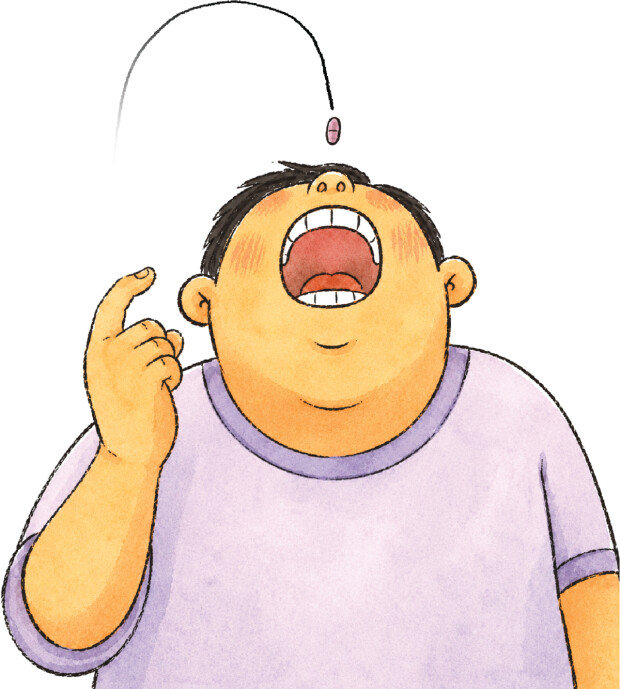
The global boom in obesity treatments is beginning to reshape consumer behavior, changing everything from grocery shopping to beauty spending. The shift is especially pronounced in the United States, which accounts for more than 70% of the global obesity drug market by sales.
As demand for glucagon-like peptide-1, or GLP-1, weight-loss medications grows, companies are introducing a wave of products aimed at users of the drugs. Some cater to changing eating habits, while others address side effects associated with rapid weight loss.
Industry officials said Thursday that GLP-1-related marketing has accelerated as the market expands with the arrival of oral obesity treatments. Because GLP-1 drugs suppress appetite and help users feel full longer, food companies and retailers are increasingly focusing on smaller portions and protein-rich products.
British supermarket chain Morrisons recently partnered with sports nutrition brand Applied Nutrition to launch ready-made meals tailored for GLP-1 users. Consumer cooperative Co-op
also rolled out “Good Fuel Mini Meal,” a line of small-portion meals aimed at GLP-1 dieters, earlier this year.
Shraddha Shelke, a consumer analyst at market research firm GlobalData, said oral GLP-1 medications are likely to reshape grocery and dining habits alike. “As appetites decline, shopping baskets will shrink, while demand rises for smaller, nutrient-dense products rich in protein and fiber,” Shelke said. She added that retailers able to tailor product selections and optimize store displays for GLP-1 consumers would be better positioned in the market.
Products targeting side effects linked to GLP-1 treatments are also seeing a boost. Hair-loss products have emerged as one of the clearest beneficiaries, as some users experience temporary hair thinning following rapid weight loss.
CNBC reported on May 2 that growth in the GLP-1 market is helping drive demand for hair-loss treatments. Hair-care brands including Ulta Beauty and Redken have reported rising sales of scalp-care and anti-hair-loss products. Mounia Tahiri, president of Redken U.S., told CNBC the company has been testing products on GLP-1 users as part of efforts to further refine its offerings.
Larissa Jensen, a beauty industry adviser at market research firm Circana, said hair-loss care has become a steadily growing segment of the beauty market as GLP-1 use expands. “Many GLP-1 users report temporary hair loss, which is increasing demand for at-home hair-growth treatments, scalp serums and supplements,” Jensen said. Circana also estimates that consumers using GLP-1 medications spend roughly 30% more on beauty products than those who do not use the drugs.
최지원 jwchoi@donga.com








 About Dong-A Ilbo