

Trump extends Iran strike pause as war drags on
Trump extends Iran strike pause as war drags on
Posted March. 28, 2026 08:36,
Updated March. 28, 2026 08:36
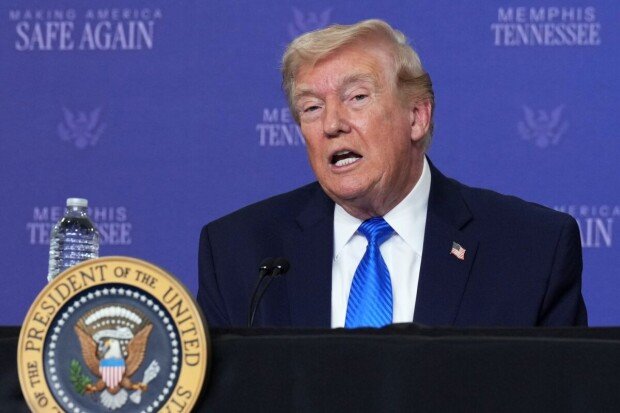
One month into the war involving the United States, Israel and Iran, U.S. President Donald Trump said he would extend a pause on strikes targeting Iranian power facilities by 10 days.
In a post on Truth Social on March 26 local time, Trump said the suspension would remain in effect until 8 p.m. Eastern Time on April 6, or 9 a.m. April 7 in South Korea. On March 21, he warned that Iran’s power infrastructure would be “obliterated” within 48 hours unless Tehran reopened the Strait of Hormuz, a key oil transit route it has blocked since the conflict began. Two days later, he said the United States had reached agreements with Iran in 15 areas, including its nuclear program, and announced a five-day delay. The latest move extends that pause further.
Trump has drawn criticism for shifting his position repeatedly during the first month of the conflict, particularly between March 21 and March 26. He has attributed the changes to Iran’s requests for negotiations, saying talks are proceeding smoothly.
At the same time, he reiterated his warning during a Cabinet meeting, saying Iran would face a strong U.S. response if it fails to reach an agreement.
The Wall Street Journal reported that Washington is considering deploying an additional 10,000 troops, including infantry and armored units, on top of the 7,000 already sent to the Middle East, signaling preparations for a possible ground operation. Iran is also preparing for such a scenario, with Tasnim News reporting that it is assembling a force of up to 1 million personnel.
Analysts say Trump’s shifting approach reflects concern over rising oil prices as the conflict drags on. The Financial Times reported that between March 9 and March 23, Trump and senior U.S. officials made remarks on five occasions that appeared aimed at easing upward pressure on oil prices, with markets reacting within an hour each time.
Some observers say the handling of the conflict, following Trump’s tariff policies, highlights the limits of his deal-focused and improvisational approach to diplomacy. The New York Times reported that the absence of clearly defined war objectives, along with Trump’s reliance on a small group of close aides rather than career diplomats to lead negotiations with Iran, has complicated efforts to define an exit strategy.
Jin-Woo Shin niceshin@donga.com






 About Dong-A Ilbo