

WFP seeks emergency aid for Venezuela
WFP seeks emergency aid for Venezuela
Posted July. 02, 2026 08:27,
Updated July. 02, 2026 08:27
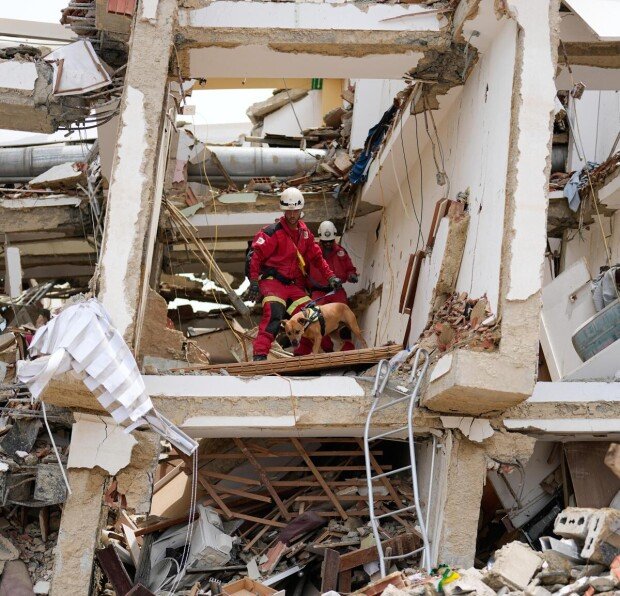
"Food for 500,000 people and $50 million in emergency funding are desperately needed."
The World Food Programme, the U.N. agency responsible for food assistance, has appealed for a large-scale international relief effort after a series of powerful earthquakes struck Venezuela on June 24, leaving the country on the brink of paralysis. Reuters and other media outlets reported that Stephanie Hochstetter, the WFP's country director for Venezuela, said June 30 that the agency urgently requires $50 million over the next three months to provide life-saving food assistance to as many as 500,000 people and sustain critical operations, including logistics and communications. She said the emergency response is entering a new phase, with search-and-rescue operations giving way to broader humanitarian relief.
Hochstetter said the situation is most severe in the northern state of La Guaira, where the earthquakes caused the heaviest damage. Food supply chains have been shattered, leaving "most households with little or no food," she said. She added that restoring access to emergency medical care, food, clean water and shelter remains the immediate priority.
The United Nations also warned that Venezuela's prolonged economic hardship has left vaccination coverage dangerously weak, raising the risk of outbreaks of yellow fever and dengue fever. It also cautioned that waterborne diseases could spread in the wake of the disaster. With too few shelters available, many displaced residents are packed into temporary evacuation centers set up in locations such as soccer stadiums.
Later that day, Venezuelan National Assembly President Jorge Rodríguez said the death toll had climbed to 1,943, while the number of injured rose to 10,571. The updated figures were 224 higher than the previous day's death toll and included nearly 5,000 additional injuries.
Authorities have not disclosed how many people remain missing. The international community, however, fears that tens of thousands are still trapped beneath collapsed buildings and piles of debris. The United Nations likewise estimates that more than 50,000 people remain missing.
김보라 기자 purple@donga.com




![[오늘의 운세/7월 2일]](https://dimg.donga.com/c/138/175/90/1/wps/NEWS/IMAGE/2026/07/02/134221102.1.jpg)



 About Dong-A Ilbo