

Lower fuel surcharges ease summer travel
Lower fuel surcharges ease summer travel
Posted June. 17, 2026 08:25,
Updated June. 17, 2026 08:25
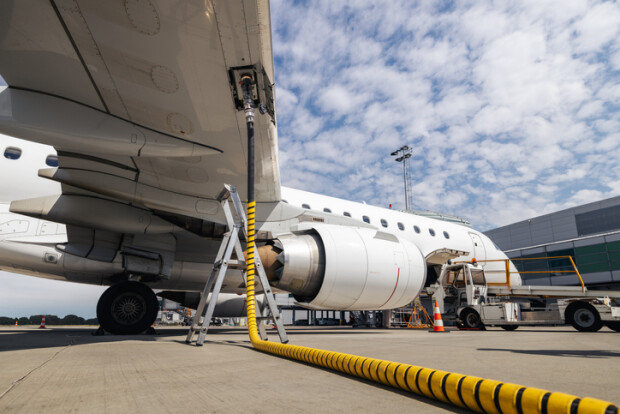
International air travelers will see a noticeable drop in fuel surcharges in July as global oil prices retreat on expectations that the war involving the United States, Israel and Iran is moving toward an end. The decline is expected to provide some relief for vacationers heading abroad during the busy summer travel season.
For a round-trip flight to New York, fuel surcharges will be approximately 215,000 won lower than in June and about 440,000 won below the record-high levels imposed in May. Although surcharges remain elevated compared with prewar levels, the latest reduction should help ease travel costs for consumers.
According to the airline industry, international tickets issued in July will be subject to a Level 19 fuel surcharge, down eight levels from June's Level 27. Fuel surcharge rates for July are calculated using the average price of Singapore jet fuel, or MOPS, between May 16 and June 15. The average price during that period fell 17.5 percent from the previous month, leading to a corresponding reduction in surcharge levels.
At Korean Air, fuel surcharges on tickets issued in July will range from 46,400 won to 344,000 won one way, depending on the route. Compared with June, passengers will save about 15,000 won on short-haul routes and as much as 107,500 won on long-haul flights.
Asiana Airlines will charge between 48,500 won and 275,800 won one way on international routes in July. Depending on the destination, travelers will pay between 19,500 won and 107,000 won less than they did in June.
Fuel surcharges remained relatively stable earlier this year, standing at Level 5 in February and Level 6 in March. That changed after war broke out in the Middle East in late February, sending oil prices sharply higher. Surcharges climbed to Level 18 in April and then reached a record-high Level 33 in May, the highest level ever imposed.
The upward trend has since reversed. Surcharges fell to Level 27 in June and will drop further to Level 19 in July, marking the second consecutive monthly decline.
Airlines expect the decline in fuel surcharges to ease the cost burden on travelers and help support demand for overseas trips. Industry officials also anticipate a gradual increase in international travel during the peak summer vacation season.
변종국 기자 bjk@donga.com


![“매일 걷는데도 건강검진 빨간불?”…310만명 분석해 보니 [바디플랜]](https://dimg.donga.com/c/138/175/90/1/wps/NEWS/IMAGE/2026/06/16/134118691.3.jpg)





 About Dong-A Ilbo