

Record early voting rebuffs conspiracy theories
Record early voting rebuffs conspiracy theories
Posted June. 01, 2026 08:26,
Updated June. 01, 2026 08:26
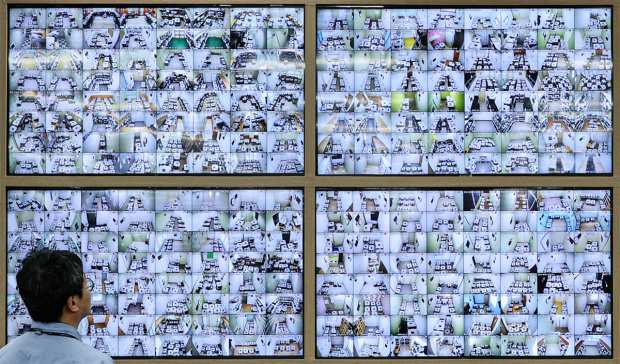
Early voting for the June 3 local elections set a new record for a local election in South Korea. Turnout reached 23.51% during the two-day voting period on May 29 and 30, up 2.89 percentage points from the previous local elections four years ago. More than 10.49 million of the nation's 44.65 million eligible voters had already cast their ballots before Election Day. The record-setting turnout now raises expectations for strong participation on June 3.
Voters flocked to polling stations across the country, forming long lines to cast their ballots. Early voting participation increased from four years ago in every region except North Gyeongsang Province, including Seoul, Busan and Daegu, all key battlegrounds in this election. The numbers underscore the high level of public interest in the first nationwide vote since the Lee Jae-myung administration took office a year ago.
Just as significant, the strong turnout suggests that voters are rejecting election-fraud conspiracy theories promoted by fringe groups. Neither the Constitutional Court nor the Supreme Court has ever validated claims of election fraud. Yet on the first day of early voting, a handful of extremist YouTubers continued to push baseless allegations of vote-rigging and urged voters to boycott the process. The public response was unmistakable. After last year's presidential election recorded the second-highest early voting turnout in the country's history, participation remained robust in this year's local elections.
The message is clear. Conspiracy theories that once gained traction in parts of the political landscape are steadily losing credibility with the broader public. Even the People Power Party, whose leadership appeared to flirt with election-fraud claims earlier this year, encouraged supporters to vote early. The National Election Commission has also taken steps to bolster confidence, including allowing the public to monitor early ballot boxes around the clock through closed-circuit television. It must apply the same vigilance on Election Day and deny conspiracy theorists even the slightest pretext for sowing doubt.
If last year's presidential election marked the beginning of democratic recovery, this local election should help ensure that destructive election conspiracies find no room to return. That will depend on voters continuing to exercise their rights and affirming their confidence in the fairness and transparency of the electoral process. Citizens may disagree sharply over candidates and policies, but they should not forgo their vote. A higher turnout is the strongest answer to the falsehoods that divide the public and erode trust in democratic institutions.


![충분히 자도 계속 피곤한 이유?…뜻밖의 원인 찾았다[건강팩트체크]](https://dimg.donga.com/c/138/175/90/1/wps/NEWS/IMAGE/2026/05/29/134016517.3.jpg)

![[단독]파산신청 급증…압류 안되는 ‘생계비 계좌’ 두달새 2배로](https://dimg.donga.com/c/138/175/90/1/wps/NEWS/IMAGE/2026/06/01/134026304.1.jpg)



 About Dong-A Ilbo