

UAE exit widens cracks in OPEC alliance
UAE exit widens cracks in OPEC alliance
Posted April. 30, 2026 07:55,
Updated April. 30, 2026 07:55
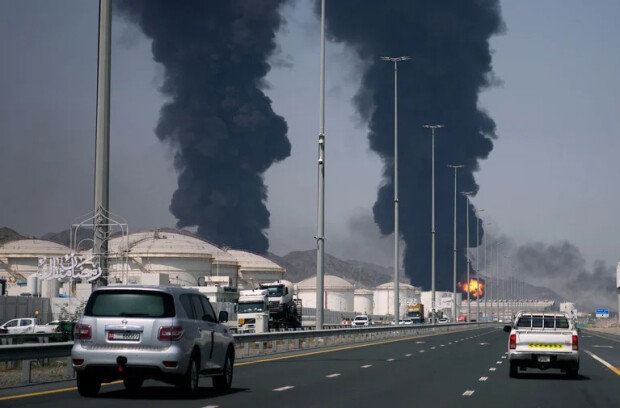
The United Arab Emirates, which holds the world’s sixth-largest oil reserves, plans to leave the Organization of the Petroleum Exporting Countries and the broader OPEC+ alliance that includes Russia and other major producers. The decision highlights mounting strain within the Saudi Arabia-led bloc and is adding momentum to expectations of a shift in the global energy order, with the United States playing a larger role.
The UAE government said on April 28, local time, through the state-run WAM that it will withdraw from OPEC starting next month. The move signals a clear break from the group’s coordinated production cuts.
The decision is widely seen as a sign of weakening unity within OPEC. As the Saudi-led system of output coordination comes under pressure, member states are increasingly likely to pursue their own interests. With most members, aside from Saudi Arabia, lacking the capacity to significantly raise output, the cartel’s ability to steer prices is expected to diminish.
The move also points to a possible shift away from Middle East dominance in global energy markets. The United States has been working to diversify supply, expanding shale production while securing alternative sources such as Venezuela. The UAE’s departure is expected to reinforce that trend.
The short-term impact on global oil prices is likely to be limited, as prices are already elevated due to supply disruptions linked to conflict in the Middle East. Over the longer term, however, market volatility could increase. A weaker OPEC may have less ability to manage a surge in supply once geopolitical tensions ease. The UAE aims to raise its production capacity from 4.8 million barrels per day to between 5 million and 6 million barrels per day by 2027.
South Korea is unlikely to face immediate supply disruptions, but it remains exposed to swings in global oil prices. An official at the Ministry of Trade, Industry and Energy said that if OPEC’s influence weakens, increased competition among suppliers could benefit major importers such as South Korea. At the same time, the official said uncertainty over how other producers will respond leaves open the risk of near-term instability in the oil market.
세종=정순구 기자 soon9@donga.com







 About Dong-A Ilbo