

Debate grows over state role in culture
Debate grows over state role in culture
Posted April. 30, 2026 07:55,
Updated April. 30, 2026 07:55
Imagine the Chinese government trying to create a global idol group modeled on BTS after the success of K-pop.
The idea quickly falls apart. Governments do not produce artists with the spontaneity and appeal that define global pop culture. Even a highly polished act would struggle to gain international traction, as China’s political image would shape how it is received. Culture does not take hold simply because the state decides to promote it.
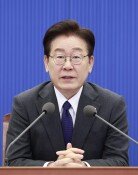
That is why remarks by President Lee Jae-myung at a Cabinet meeting on April 14 drew attention. “Why don’t we see things like New Year’s literary contests anymore?” he said. “Everything has been left to the private sector. Perhaps there should be a nationally recognized program, whether a reading contest or a creative writing competition.”
The government already supports a wide range of cultural initiatives and, when needed, can serve as an organizer. But the idea of the state directly hosting literary awards or elevating certain competitions carries clear drawbacks.
The premise itself is flawed. Major privately run contests, including the Dong-A Ilbo New Year’s literary competition launched in 1925, remain active, with more than 20 still in operation. While concerns about the use of artificial intelligence have emerged, submissions are increasing. These contests continue to serve as a gateway for new writers. Seong Hae-na, whose short story collection Honmono sold more than 400,000 copies after its release last spring, debuted through The Dong-A Ilbo contest in 2019.
The president’s concern for the literary and publishing sectors is understandable. But as a response to the broader decline in the reading ecosystem, the proposal appears off target. The notion of the government selecting writers recalls approaches more often associated with authoritarian systems.
History offers a clear lesson. The state-run Korea National Art Exhibition, organized by the Ministry of Culture and Education, ended after its 30th edition in 1981 and was replaced by private competitions. During its run, it was marked by factional disputes, clashes over artistic styles and allegations of favoritism. These issues stemmed from the state’s role in judging artistic merit and awarding recognition, and they risk limiting experimentation and diversity. Even in countries such as the United Kingdom, where traditions like the poet laureate remain, the role is largely symbolic.
The global appeal of Korean culture rests on more than technical precision. It reflects the country’s broader story as one of the few nations to achieve both rapid postwar growth and democracy. In that sense, South Korea stands out as a society where private institutions are strong enough to balance state power, a dynamic highlighted by economist Daron Acemoglu in The Narrow Corridor. A system in which the state selects artists is unlikely to produce compelling cultural output.
When policy signals from the top miss the mark, they can ripple downward, diverting attention and energy from more pressing priorities. Kang Yu-jung, the presidential spokesperson, is a three-time winner of major New Year’s literary contests, including The Dong-A Ilbo’s film criticism category in 2005. It raises the question of whether the president sought her view before suggesting a government-run literary award.





 About Dong-A Ilbo