

AI reshapes literary contests, Nobel debate grows
AI reshapes literary contests, Nobel debate grows
Posted April. 18, 2026 08:42,
Updated April. 18, 2026 08:42
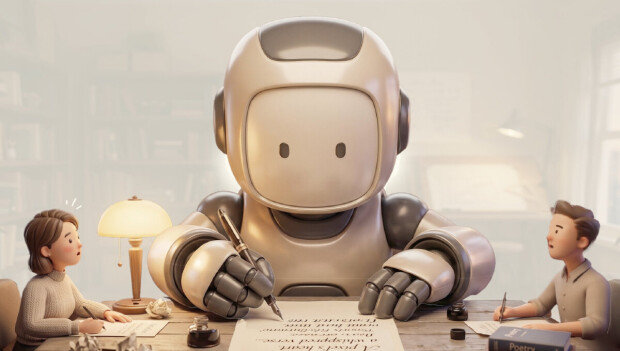
A panel of literary figures on April 15 examined how long-standing literary institutions, including spring writing contests and the Nobel Prize in Literature, may adapt to the growing presence of artificial intelligence in creative work.
The discussion featured poet Kim Eon, literary critic Heo Hee, and cybertext designer Kwon Bo-yeon, who explored how AI is reshaping both the practice of writing and the systems used to evaluate it.
Major media outlets that host annual spring literary contests have reported a sharp rise in submissions. The 2026 Dong-A Ilbo Spring Literary Contest received 9,113 entries across nine categories, up from 7,384 in 2024. Some judges say the increase may be linked to AI-assisted writing, with several suggesting that interviews could be introduced as part of the screening process. A number of contests have already added provisions allowing awards to be revoked if entries are found to have been generated using AI.
● Calls for dedicated AI literature category
Kim Eon proposed creating a separate category for AI-assisted literature. He noted that some universities already run competitions for AI-based works in literature and film, adding that a dedicated track could provide a structured space for experimentation.
Kwon Bo-yeon said such a move would require a shift in how entries are evaluated. Judging final outputs alone would be insufficient, he said, arguing that submissions should include prompts, datasets, tools used, as well as the creator’s intent and vision.
He added that evaluating these elements would demand new standards and broader expertise. Judges could include not only literary figures but also specialists in engineering, sociology and law. He said this kind of collaborative review structure may define the AI era in literature.
The panel also pointed to shifting attitudes among younger generations. Kim Eon said that within a decade, the use of AI in creative work may no longer be seen as unusual. Questions about whether a piece was written by a human or an AI could lose relevance.
● Nobel Prize in Literature faces similar questions
The discussion also turned to whether the Nobel Prize in Literature will remain a final stronghold of human authorship. Literary critic Heo Hee said the prize has long pushed the boundaries of what qualifies as literature.
He pointed to the 2016 award to Bob Dylan, which sparked debate over whether a popular musician should be counted among literary laureates. He also cited the 2015 prize to Svetlana Alexievich, which reignited questions over whether documentary-style reportage could be recognized as literature.
Heo said the Nobel Prize has consistently tested and expanded the definition of literature. If AI-integrated works continue to accumulate, he added, it would be difficult to rule out the possibility that such works could eventually be recognized.
김소민 somin@donga.com







 About Dong-A Ilbo