

Iran to charge ships passing Hormuz Strait
Iran to charge ships passing Hormuz Strait
Posted April. 01, 2026 09:08,
Updated April. 01, 2026 09:08
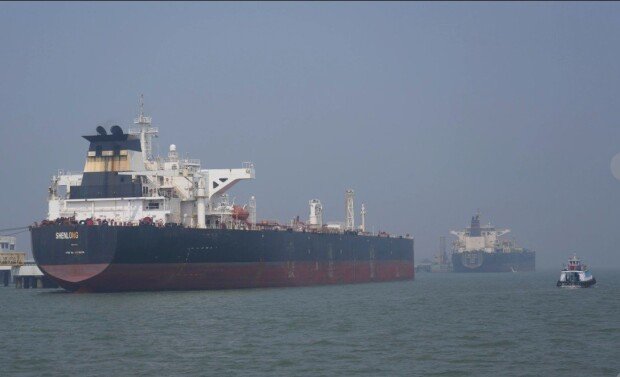
Iran’s parliamentary National Security and Foreign Policy Commission approved a plan March 30 to impose tolls on vessels passing through the Strait of Hormuz, a vital shipping route for Middle Eastern crude oil.
State-run Press TV reported that the plan would bar U.S. and Israeli ships during the ongoing conflict while allowing passage for vessels from countries friendly to Iran in exchange for a fee. Analysts warn that even if a blockade is lifted, maintaining the so-called “Hormuz tollgate” could significantly impact the global economy.
The plan does not specify toll rates but suggests collecting fees in Iranian rials. In recent passages, Iran reportedly charged some ships $2 million, roughly 3 billion won, in tolls. The proposal also includes enhanced security measures and expanded operational authority for the Iranian navy within the strait. Observers say the approval could boost Iran’s leverage in potential negotiations with the United States.
South Korean industry experts say the toll plan highlights the need to diversify the nation’s energy supply chain. With nearly 70 percent of South Korea’s crude oil imports coming from the Middle East, reducing reliance could strengthen energy security and increase bargaining power on prices. Kim Tae-hwan, head of the Oil Policy Research Division at the Korea Energy Economics Institute, said, “South Korean refiners have long depended heavily on Middle Eastern oil for economic efficiency, but this situation presents an opportunity for public and private sectors to work together to diversify supply sources.”
Keun-Hyung Yoo noel@donga.com

![[단독]파산신청 급증…압류 안되는 ‘생계비 계좌’ 두달새 2배로](https://dimg.donga.com/c/138/175/90/1/wps/NEWS/IMAGE/2026/06/01/134026304.1.jpg)


![“코 스프레이 2번 뿌렸더니 기억력 쑥”…치매 치료 가능성 [노화설계]](https://dimg.donga.com/c/138/175/90/1/wps/NEWS/IMAGE/2026/05/29/134018314.3.jpg)



 About Dong-A Ilbo