

Trump says U.S. can act alone in Middle East
Trump says U.S. can act alone in Middle East
Posted March. 19, 2026 08:39,
Updated March. 19, 2026 08:39
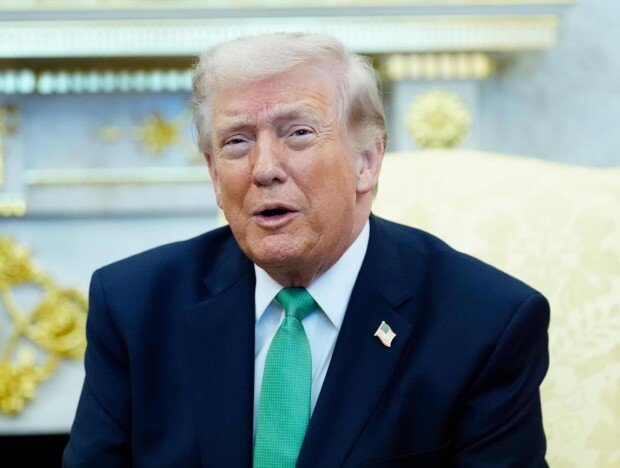
U.S. President Donald Trump said on March 17 that the United States no longer needs, and does not want, support from NATO allies, adding that the same applies to partners such as Japan, Australia and South Korea. His remarks followed calls on March 14 and 15 for major economies including South Korea, China, Japan, the United Kingdom and France to join efforts to protect oil shipments through the Strait of Hormuz, a vital route for Middle Eastern crude. On March 16, he singled out South Korea, Japan and Germany, citing the presence of U.S. forces and their security roles while pressing them to deploy troops. The comments appeared to reflect growing frustration after most countries either rejected the request or offered no clear response.
Trump wrote on Truth Social that day that most NATO allies had informed the United States they did not wish to participate, and he added that he did not want support from Asian allies, including South Korea. During a summit with Irish Prime Minister Michal Martin at the White House the same day, he said NATO was making a “very foolish” mistake and that the United States did not need assistance. He also told NATO directly, “When they do not help us, it is clearly something to think about,” adding that he does not need Congress to approve decisions on providing help. Analysts interpreted his remarks as signaling possible future moves to reconsider the size and role of U.S. forces in NATO countries and to pressure allies for higher defense spending.
Meanwhile, Joseph Kent, director of the U.S. National Counterterrorism Center, resigned the same day, saying the United States could not support a war with Iran because Tehran posed no imminent threat. His resignation underscores growing domestic and international opposition to a prolonged conflict, as well as strong Iranian countermeasures, allied reluctance to deploy forces and deepening divisions within the Trump administration. Observers say the political and strategic burden on Trump over a potential conflict with Iran is likely to intensify.
Jin-Woo Shin niceshin@donga.com


![스쿼트 개수는 ‘하체 나이’ 지표… 연령별 기준 몇 개?[노화설계]](https://dimg.donga.com/c/138/175/90/1/wps/NEWS/IMAGE/2026/05/08/133884776.3.jpg)


 About Dong-A Ilbo