

Won weakens again, nears 1,460 per dollar
Won weakens again, nears 1,460 per dollar
Posted January. 12, 2026 09:32,
Updated January. 12, 2026 09:32
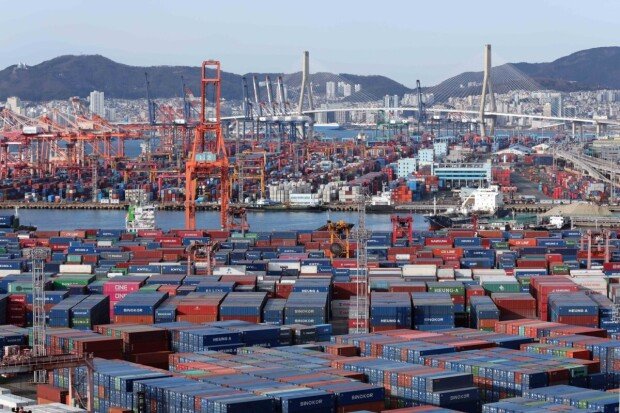
The won-dollar exchange rate, which briefly fell into the 1,420-won range per dollar late last year following heavy intervention by foreign exchange authorities, has risen for six consecutive trading days this year. The renewed weakening of the won has pushed the rate close to the 1,460-won level.
According to the Bank of Korea on Jan. 11, the won-dollar exchange rate finished at 1,459.0 won in overnight trading as of 2 a.m. That was 1.4 won higher than the previous day’s daytime close of 1,457.6 won at 3:30 p.m.
After the won-dollar rate surged to 1,483.6 won on Dec. 23 last year, the government launched an all-out effort to manage the year-end closing level. In an unusual step, the presidential office joined forceful verbal intervention, while authorities also carried out direct market operations by supplying dollars, focusing on pushing the exchange rate lower. As a result, the rate fell to 1,429.8 won on Dec. 29.
However, investors who anticipated a rebound in the government-suppressed won-dollar rate began buying overseas assets in large volumes, including U.S. stocks, reversing the exchange rate’s direction upward. According to the Korea Securities Depository, individual South Korean investors made net purchases of $1.94217 billion, or about 2.84 trillion won, in U.S. stocks from the start of the year through Jan. 9. That marked the largest early January U.S. stock buying by so-called Seohak Ants since such data were first compiled in 2011.
Experts warn that last year’s elevated exchange rate could reemerge at any time, citing a structurally weakening won amid a stronger dollar, heightened geopolitical risks including developments in Venezuela, and a slowdown in South Korea’s potential growth rate.
지민구 기자 warum@donga.com








 About Dong-A Ilbo