

Major assets fall amid Fed rate and AI concerns
Major assets fall amid Fed rate and AI concerns
Posted November. 19, 2025 08:18,
Updated November. 19, 2025 08:18
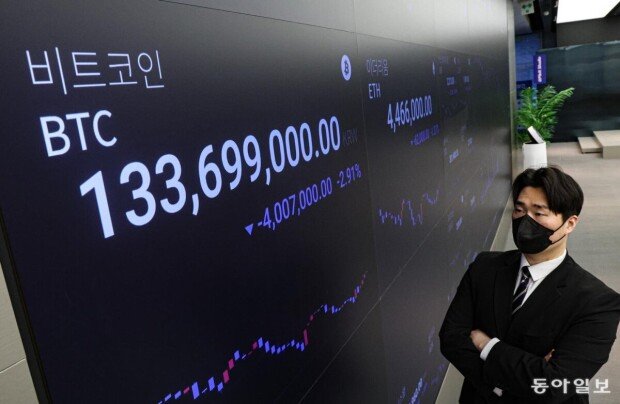
The so-called “everything rally,” in which the prices of major assets such as bitcoin, gold, and stocks rise simultaneously, is showing signs of weakening. Analysts attribute the decline to diminished expectations for a Federal Reserve rate cut next month and lingering concerns about an artificial intelligence bubble, which have increased risk-averse sentiment.
According to cryptocurrency information platform CoinMarketCap, bitcoin fell more than 5% during intraday trading on Nov. 18, dropping to $89,426 per coin. This marked the first time in seven months that bitcoin has fallen below $90,000, since uncertainty over U.S. tariffs emerged in April.
As the top cryptocurrency by market capitalization, bitcoin had surged sharply amid expectations for cryptocurrency-friendly policies under the Trump administration and increased market liquidity. Just over 40 days ago, on Oct. 6, it reached a record high of $126,000. However, by Nov. 18, bitcoin had already lost its entire price gain for the year, about 24%, and had fallen 29% from its October peak. The prediction by Robert Kiyosaki, author of Rich Dad Poor Dad, in April that bitcoin could reach $1 million within the next decade now appears unlikely to materialize.
Stock market indices also followed a downward trajectory. The KOSPI closed at 3,953.62, down 3.32% from the previous trading day. The index has given back recent gains following a record high of 4,221.87 three days ago, as foreign investors engaged in heavy selling. In New York, the Standard & Poor’s 500, the Nasdaq Composite, and the Dow Jones Industrial Average fell 0.92%, 0.84%, and 1.18%, respectively, on Nov. 17.
Gold, which had surged recently, also declined, trading around $4,020 per troy ounce, down about 0.5% from the previous day. The price remains more than 7% below its record high of $4,356.50 set on Oct. 20.
한재희 기자 hee@donga.com








 About Dong-A Ilbo