

Excessive outpatient visits prompt calls for tighter rules
Excessive outpatient visits prompt calls for tighter rules
Posted November. 10, 2025 09:15,
Updated November. 10, 2025 09:15
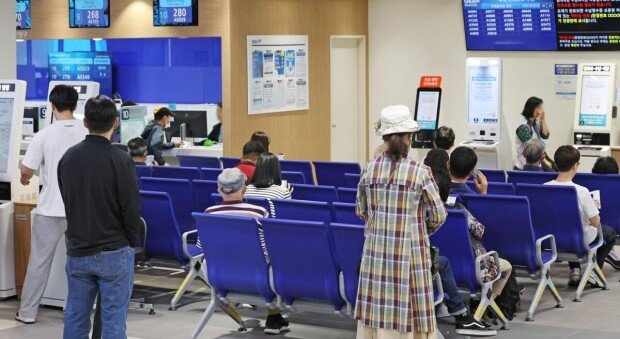
A man in his 40s surnamed Choi, who lives in Daegu, made 1,297 outpatient visits between January and October this year. He visited an average of 4.3 medical institutions a day, a pattern often described as medical shopping. On some days, he sought care at as many as eight clinics, including orthopedics, neurosurgery, internal medicine and Korean traditional medicine. Most of his visits involved complaints of joint pain or migraines, for which he received physical therapy, injections or acupuncture.
Of Choi’s total outpatient medical expenses of 25.79 million won, the National Health Insurance Service covered 11.77 million won. Last year, he made 2,041 outpatient visits and spent 38.34 million won on medical care. Of that amount, 25.77 million won was paid by the national health insurance program.
According to the Ministry of Health and Welfare on Nov. 9, a total of 102 health insurance subscribers received coverage under the differential copayment program this year after making at least 365 outpatient visits from January to September. The program was introduced in July last year to curb indiscriminate medical use. Once a patient’s annual outpatient visits exceed 365, the copayment rate for visits beyond that threshold rises to 90 percent. Children, pregnant women, patients with severe illnesses, those with rare and intractable conditions and people with severe disabilities are exempt. During the first six months of the program’s implementation from July to December last year, 53 people were subject to the differential copayment rules.
Medical professionals say the eligibility threshold should be tightened to curb excessive medical use. Last year, 61,603 patients made more than 200 outpatient visits, and the medical costs covered by the national health insurance program for this group amounted to about 562.4 billion won. If the threshold is lowered to more than 150 visits, the number of eligible patients rises to 203,000, and the National Health Insurance Service would have to cover roughly 2.3415 trillion won.
Jung Jae-hoon, a professor in the Department of Preventive Medicine at Korea University, said, “Unnecessary medical use must be restricted to protect the long-term sustainability of the health insurance system. The differential copayment criteria should be strengthened gradually.” He added that the ministry is reviewing a plan to tighten the requirements by lowering the threshold to between 200 and 300 outpatient visits per year.
Sung-Min Park min@donga.com

![북한군 간호사에서 세계 누비는 사업가 되기까지[주성하의 북에서 온 이웃]](https://dimg.donga.com/c/138/175/90/1/wps/NEWS/IMAGE/2026/05/24/133981366.1.jpg)





 About Dong-A Ilbo