

Surge in false bomb reports spurs calls for measures
Surge in false bomb reports spurs calls for measures
Posted August. 27, 2025 08:15,
Updated August. 27, 2025 08:15
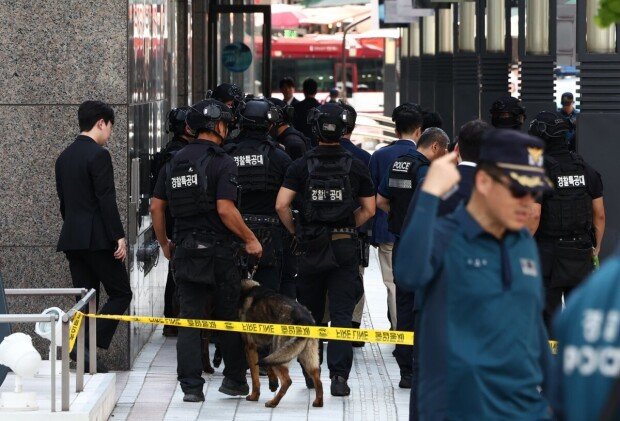
Recently, false bomb threats have been reported indiscriminately at department stores, performance venues, and elementary schools, triggering a surge in unnecessary police and fire responses. The number of false alarm dispatches has increased by more than 1,000 over the past two years, with nearly 3,000 cases reported through July this year, averaging about one incident every 100 minutes.
Experts warn that strong measures are needed, as false bomb threats not only inconvenience the public but also generate rising social costs, while claims for damages against the perpetrators are rarely pursued.
According to data submitted by the National Police Agency to Rep. Yang Bu-nam of the Democratic Party, a member of the National Assembly’s Public Administration and Security Committee, dispatches due to false reports of explosives or terrorism rose 28.3 percent, from 4,235 cases in 2022 to 5,432 in 2024. As of the end of July this year, there were 2,933 cases, averaging about 13.8 incidents per day.
When false terror reports are received, they not only cause significant inconvenience as citizens are evacuated but also trigger the simultaneous deployment of police SWAT teams, fire trucks, and ambulances, resulting in substantial costs. Emergency response to citizens in genuine need can be delayed, hindering the handling of real crises.
However, in the past three years, there has been only one case in which damages were claimed from a false threat perpetrator. “We will actively consider not only criminal prosecution but also civil claims for damages against those making false threats,” a senior official at the Seoul Metropolitan Police Agency said.
정서영기자 cero@donga.com








 About Dong-A Ilbo