

Decline in regular jobs sparks concern
Decline in regular jobs sparks concern
Posted June. 16, 2026 08:26,
Updated June. 16, 2026 08:26
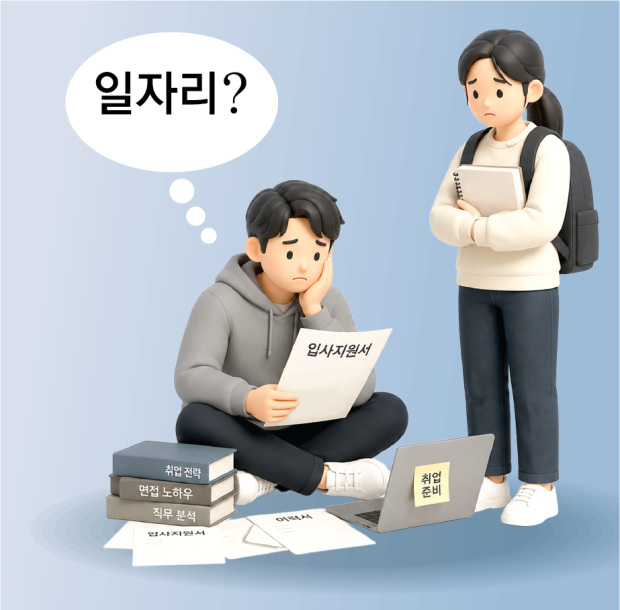
The number of regular employees, widely viewed as the most reliable measure of job stability, fell last month for the first time in 26 years and five months. According to the National Data Portal, South Korea had 16.74 million regular workers in May, down 7,000 from a year earlier. It was the first year-over-year decline since December 1999, when the country was still dealing with the fallout from the Asian financial crisis. Regular employment includes permanent workers, employees on open-ended contracts and those with contracts lasting at least one year. As a result, it is generally regarded as one of the clearest indicators of job quality. The reversal is troubling. Growth in regular employment continued even during the COVID-19 pandemic. Its decline now signals that the country's job market is losing strength.
The deterioration has been especially pronounced among workers in their 20s and 30s. The number of regular employees in those age groups fell by 197,000 last month alone. In manufacturing, younger workers are increasingly being replaced by employees in their 60s and older. In the information and communications sector, regular employment among workers in their 20s dropped by 57,000, while employment among workers in their 30s increased, reflecting companies' growing preference for experienced hires. For workers in their 30s, the professional, scientific and technical services sector lost 76,000 regular jobs, adding to concerns that AI is beginning to displace white-collar workers. Job quality is also deteriorating. While regular employment among people in their 30s declined, the number of daily workers rose by 33,000, pointing to a shift toward less secure forms of work.
The government had forecast a net increase of 160,000 jobs this year. Instead, hiring sentiment has weakened as businesses confront prolonged uncertainty, including the U.S.-Iran conflict, and sluggish domestic demand. At the same time, AI is reshaping workplaces at a pace that few industries can ignore. Even after geopolitical tensions subside, the labor market is unlikely to rebound quickly. Policymakers need to confront the structural changes now underway rather than treat them as a temporary downturn.
The disappearance of stable jobs for younger workers should be a matter of urgent concern for both the government and the political establishment. Businesses need an environment that encourages investment in new industries and supports job creation. Labor reforms should also move more quickly to bring outdated workplace rules into line with the realities of the AI era. Stable, sustainable jobs remain the foundation of economic security. Ensuring that those opportunities continue to exist should be at the center of any effort to improve people's livelihoods.

![전국 누비던 허영만도 못 피한 낙상…예방의 핵심은 ‘근육’[노화설계]](https://dimg.donga.com/c/138/175/90/1/wps/NEWS/IMAGE/2026/06/18/134135614.3.jpg)





 About Dong-A Ilbo