

Iran accord leaves core disputes unresolved
Iran accord leaves core disputes unresolved
Posted June. 19, 2026 08:36,
Updated June. 19, 2026 08:36
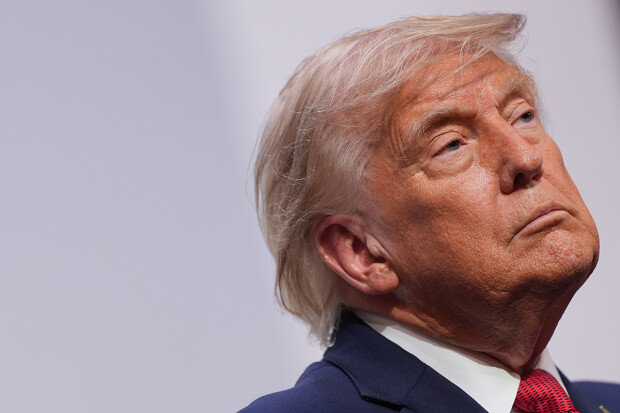
The memorandum of understanding ending the war between the United States and Iran was made public June 17. Signed by U.S. President Donald Trump and released two days ahead of schedule, the agreement clears the way for the immediate resumption of Iranian oil exports and lifts sanctions and asset freezes in return for Tehran's pledge to abandon efforts to acquire nuclear weapons. It also envisions the creation of a $300 billion reconstruction fund for Iran. The Strait of Hormuz will reopen under the deal, although toll-free passage is guaranteed for only 60 days.
To many observers, the agreement looks far better for Tehran than for Washington. The United States offered immediate economic benefits, including renewed oil exports, access to frozen assets and a massive reconstruction package. Iran, meanwhile, largely committed to positions it had already maintained. Its pledge to forgo nuclear weapons amounts to a restatement of its longstanding claim that its nuclear activities are peaceful. Critics also question whether the 60-day provision on Hormuz effectively leaves the door open for future transit fees under another name.
The imbalance reflects Trump's urgency to end the war. The conflict began amid expectations that it could reshape the Middle East in America's favor. Washington used its military superiority to target Iran's leadership, weaken its armed forces and press for unconditional surrender. Yet those ambitions fell short. The United States neither toppled Iran's clerical regime nor eliminated its nuclear program. Faced with rising oil prices and slipping political support at home, Trump ultimately accepted an agreement that leaves the nuclear issue unresolved while delivering substantial economic concessions up front.
More worrying is that the ceasefire may simply put the conflict on hold rather than bring it to an end. There is little reason to believe a comprehensive nuclear agreement can be reached within 60 days. Trump is already facing criticism at home from opponents who see the deal as an American retreat, leaving him with less political room to maneuver. Iran, meanwhile, is negotiating from a position of strength and has little incentive to make meaningful concessions. An agreement that defers the core disputes instead of resolving them is unlikely to deliver lasting stability in the Middle East or ease the uncertainty weighing on the rest of the world.

![[속보]단 한번의 수비 실책…멕시코전 아쉬운 0-1 패배](https://dimg.donga.com/c/138/175/90/1/wps/NEWS/IMAGE/2026/06/19/134142389.1.jpg)






 About Dong-A Ilbo