

Teachers’ Day turns into source of anxiety
Teachers’ Day turns into source of anxiety
Posted May. 15, 2026 08:26,
Updated May. 15, 2026 08:26
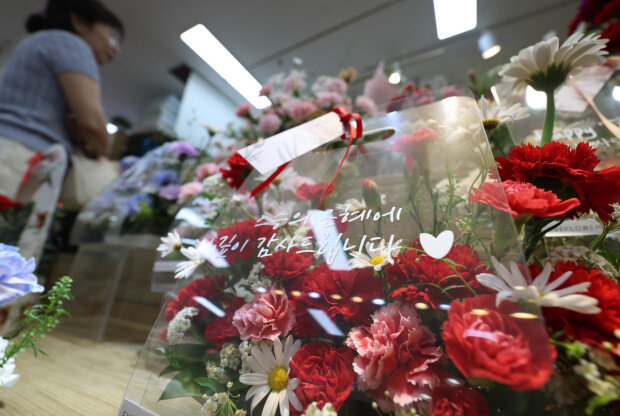
A middle school teacher surnamed Choi, who works in northern Gyeonggi Province, plans to take annual leave on May 15, South Korea’s Teachers’ Day. The 30-year-old said he wants to avoid any misunderstandings that could arise around the occasion.
“Our school told teachers not to accept any gifts whatsoever,” Choi said. “Rejecting gestures of appreciation can be uncomfortable, and I also worried about becoming the target of malicious complaints from parents. I decided it would be easier not to be at school at all.”
● 'Even handwritten letters feel risky'
Teachers’ Day, once seen as a celebration of gratitude and respect, has increasingly become a day many educators dread.
The shift largely stems from South Korea’s anti-graft law, formally known as the Improper Solicitation and Graft Act, which took effect in 2016. Under guidelines from the Anti-Corruption and Civil Rights Commission, teachers may not accept personal gifts from students or parents, except for carnations publicly presented by student representatives on Teachers’ Day.
As tougher ethics rules coincide with a rise in malicious complaints from parents, many teachers say even small acts of kindness can trigger accusations of favoritism or improper conduct.
A middle school teacher surnamed Lee said she was relieved her school’s athletic festival happened to fall on May 15 this year.
“I once saw a teacher at a nearby school receive a handwritten letter, which is technically allowed under the law, only to face suspicion from other parents who questioned whether the student would receive preferential treatment,” Lee said. “Turning down sincere gestures from students or parents can be emotionally exhausting. This year, I’m glad the day will pass quietly because of the sports festival.”
Controversy has also grown over what some teachers see as overly rigid interpretations of the law.
On May 13, the North Gyeongsang Provincial Office of Education posted guidance on its teacher portal under a banner titled “A Complete Guide to the Confusing Anti-Graft Law,” stating that “even if students voluntarily prepare a cake, teachers cannot share it with them.” The post was later deleted after criticism spread online and among teachers.
Critics argued that students would learn the wrong lesson if they ended up eating a Teachers’ Day cake among themselves while their teacher was excluded. The education office said the guidance was posted after receiving numerous related inquiries last year.
● Most teachers say they feel undervalued
Teachers’ morale has continued to slide in recent years.
In a survey released Thursday by the Korean Federation of Teachers’ Associations ahead of Teachers’ Day, only 5.6 percent of 7,180 kindergarten, elementary, middle and high school teachers nationwide said they believed teachers’ dedication and educational values were respected by society.
Just 34.4 percent said they still found pride and fulfillment in their work.
More teachers are also considering what has come to be known as “Gyorexit,” a term combining the Korean word for teacher with the English word “exit.”
In the survey, 55.5 percent said they had considered changing jobs or resigning within the past year. The most common reason was malicious complaints from parents, cited by 62.8 percent of respondents. Other major factors included dissatisfaction with pay and working conditions at 42.1 percent and disruptions to classroom authority by students at 33.6 percent.
In a separate survey conducted by the Korean Teachers and Education Workers Union involving 1,902 teachers nationwide, only 14.7 percent said schools provided conditions that allowed teachers to fully focus on educational activities.
The teachers’ federation said the deeper problem lies in the erosion of teachers’ sense of purpose and professional identity. The Korean Teachers and Education Workers Union said teachers are calling for stronger legal protections and meaningful structural reforms.
정서영 cero@donga.com







 About Dong-A Ilbo