

The loneliness behind a closed door
The loneliness behind a closed door
Posted May. 08, 2026 07:50,
Updated May. 08, 2026 07:50
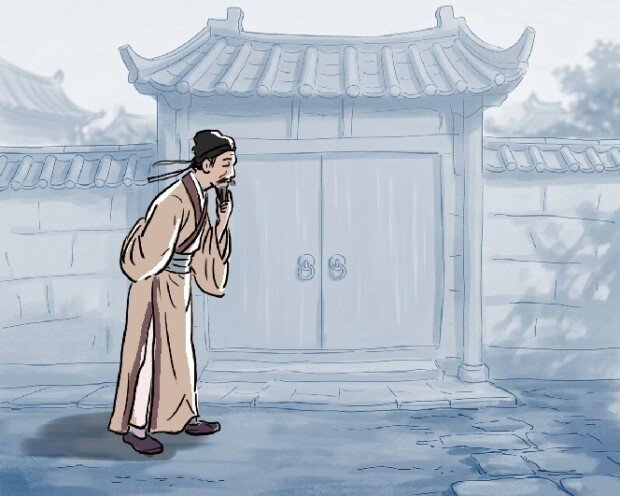
A quiet home is often read as a sign of peace. Yet in this poem, silence points to something else entirely: waiting. The world it depicts is shaped less by calm than by absence.
Grass grows thick both in front of the mountains and behind them. Day after day, the speaker steps outside, lingers briefly beyond the door, then returns and shuts it again. Loneliness is never stated outright. It is carried instead through the repetition of something as ordinary as opening and closing a door.
There is a sense of restless movement, of going outside in search of relief without any clear destination. The speaker hovers near the threshold, glancing once more toward the distance, as if expecting something that does not arrive.
The final image lands most sharply. The speaker does not remain inside their own home, but instead looks on as an elderly villager tends to descendants. The scene of family care offers a moment of comfort, yet it also throws the speaker’s own absence into sharper relief. Joy may be shared easily, but loneliness becomes more pronounced in comparison.
Across generations, the feelings parents carry rarely change. They hope their children are doing well, while quietly wishing they might one day walk back through the door. The poem lingers because it captures that simple, enduring truth. Grass keeps growing around the house, and within the speaker, so does the quiet ache of waiting.








 About Dong-A Ilbo