

Seoul-Washington ties strained by intelligence dispute
Seoul-Washington ties strained by intelligence dispute
Posted April. 22, 2026 09:01,
Updated April. 22, 2026 09:01
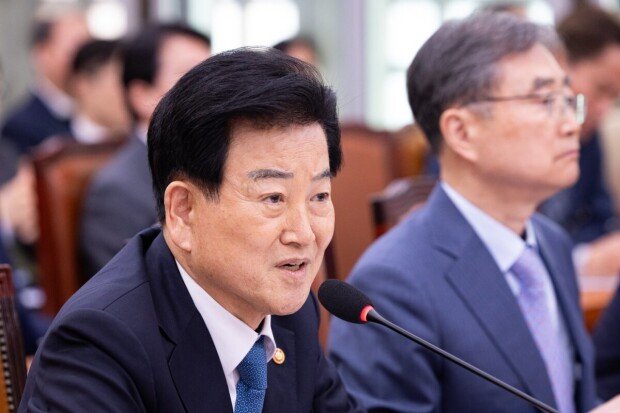
A growing dispute over a possible leak of sensitive information on North Korea is straining ties between Seoul and Washington after Unification Minister Chung Dong-young referenced the location of a nuclear facility.
Tensions rose after Chung cited a uranium enrichment site in Kusong, North Pyongan Province. The United States has since moved to limit some intelligence sharing on North Korea. Xavier Brunson, commander of U.S. Forces Korea, discussed the issue with Defense Minister Ahn Gyu-back, while the opposition People Power Party has stepped up calls for Chung’s dismissal.
A government source said on April 20 that Brunson raised concerns with Ahn last month and indicated that Washington would notify Seoul of restrictions on intelligence sharing. Sung Il-jong, who chairs the National Assembly’s Defense Committee, said Brunson delivered a strong protest in person. He also said a senior intelligence official at the U.S. Embassy in Seoul raised the issue with the National Intelligence Service. The Defense Ministry denied the account, saying it is neither appropriate nor true that the U.S. Forces Korea commander protested directly to the defense minister.
Earlier, President Lee Jae-myung said on X that claims premised on the assumption that Chung disclosed U.S.-provided classified information are unfounded. The National Intelligence Service is understood to have concluded, after a security review, that Chung’s remarks did not involve the release of U.S.-shared intelligence. Even so, if Washington maintains the restrictions, Seoul could consider reciprocal measures, including limiting the sharing of North Korea-related intelligence gathered through its own assets.
Experts say the episode reflects a buildup of differences between the allies across a range of foreign policy and security issues since the launch of the Lee administration. Friction has grown over efforts to advance a so-called DMZ law that would allow access to the Demilitarized Zone without prior approval from the United Nations Command, as well as disputes over notification of U.S. Forces Korea air drills over the West Sea. Park Won-gon, a professor of North Korean studies at Ewha Womans University, said the move to curb intelligence sharing signals accumulated dissatisfaction in Washington and highlighted the need for continued dialogue to manage tensions.
Oh-Hyuk Kwon hyuk@donga.com





 About Dong-A Ilbo