

Korea advances offshore wind with flagship fund
Korea advances offshore wind with flagship fund
Posted April. 06, 2026 09:08,
Updated April. 06, 2026 09:08
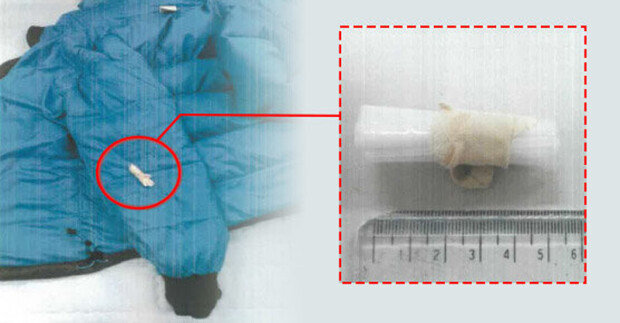
In mid-March, authorities at a detention center found 39 syringes used for drug injections in the belongings of a newly admitted inmate. Additional items tested positive for methamphetamine, and the individual was transferred back to police custody. In a separate case in November last year, another detainee was caught attempting to smuggle methamphetamine hidden inside the sleeve of a padded jacket, secured with a medicated patch.
According to the Korea Correctional Service under the Ministry of Justice on April 5, similar attempts to bring drugs into correctional facilities at the intake stage have continued. Officials say the cases involve individuals who persist in drug use even as they face trial or detention, as well as efforts to distribute narcotics inside facilities. The trend underscores how deeply drug-related crime has spread, reaching even institutions regarded as the final line of control.
The scale of the problem is evident in the numbers. A record 7,429 inmates were incarcerated for drug-related offenses last year, nearly double the 3,830 recorded in 2021. The increase reflects not only greater drug use and trafficking but also more sophisticated distribution methods, including Telegram-based advertising and so-called dead drop techniques.
Experts warn that with the planned abolition of the prosecution service in October and a broader overhaul of the investigative system, authorities must ensure that drug enforcement capabilities and intelligence networks remain intact. Without thorough preparation, they caution, gaps in coordination could weaken the response to a rapidly expanding drug threat.
손준영 기자 hand@donga.com

![젊은층 대장암 급증…전문의가 꼽은 ‘치명적 실수 5가지’[건강팩트체크]](https://dimg.donga.com/c/138/175/90/1/wps/NEWS/IMAGE/2026/04/06/133681018.3.jpg)






 About Dong-A Ilbo