

Rising births slow Korea’s population decline
Rising births slow Korea’s population decline
Posted March. 27, 2026 09:15,
Updated March. 27, 2026 09:15
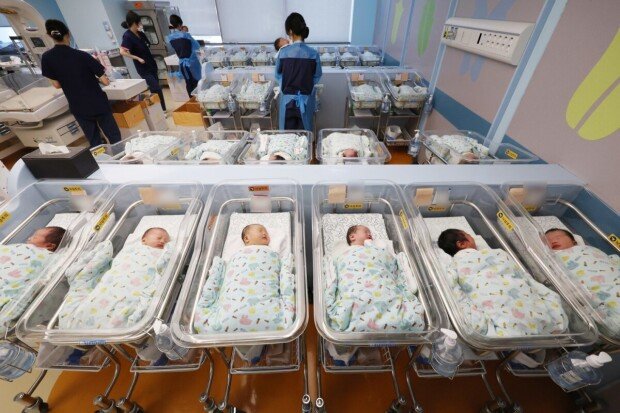
South Korea’s natural population decline slowed to its smallest level in four years as births continued to rise, raising cautious expectations of a possible short-term “golden cross,” when births exceed deaths. Experts say sustained government efforts to address low fertility will be key to any lasting reversal.
According to government data released Wednesday, the population fell by 5,539 in January, as deaths, totaling 32,454, outnumbered 26,916 births. The country has recorded a natural decrease for 75 consecutive months since November 2019.
Regionally, four areas, including Gyeonggi Province with a natural increase of 1,139 and Seoul with 329, posted gains. In contrast, 13 regions, including North Gyeongsang Province with a decline of 1,288 and Busan with 990, saw population decreases.
The pace of decline has eased in recent months. January’s drop was the smallest since 2022, when the population fell by 5,205. It also marked a sharp improvement from a year earlier, when the decline reached 15,306, and from recent monthly figures of 7,848 in October, 9,998 in November and 12,533 in December.
The shift is largely driven by a rebound in births. January recorded 26,916 newborns, marking a second consecutive annual increase and the highest figure for the month since 2019, when 30,271 births were reported. Births have risen for 19 consecutive months since July 2024.
Demographers attribute the trend in part to people in their early 30s, particularly those born between 1991 and 1995, often referred to as the second echo boom generation, entering peak years for marriage and childbirth. Changing social attitudes toward family formation have also contributed.
Some observers say the country may be nearing a return to natural population growth. South Korea entered a “dead cross” in 2020, when annual deaths exceeded births by 32,611, and has recorded natural declines for six consecutive years through 2025. The annual decrease has narrowed from around 120,000 between 2022 and 2024 to about 100,000 last year.
Still, a sustained turnaround remains uncertain. The National Assembly Budget Office projects the total fertility rate will rise to 0.9 this year, but reach only 0.92 by 2045, well below the replacement level of 2.1 needed to maintain the population. The number of births is also forecast to peak at 287,000 in 2028 before declining again.
세종=김수연 syeon@donga.com







 About Dong-A Ilbo