

Trump administration approves humanitarian aid for North Korea
Trump administration approves humanitarian aid for North Korea
Posted February. 07, 2026 08:08,
Updated February. 07, 2026 08:08
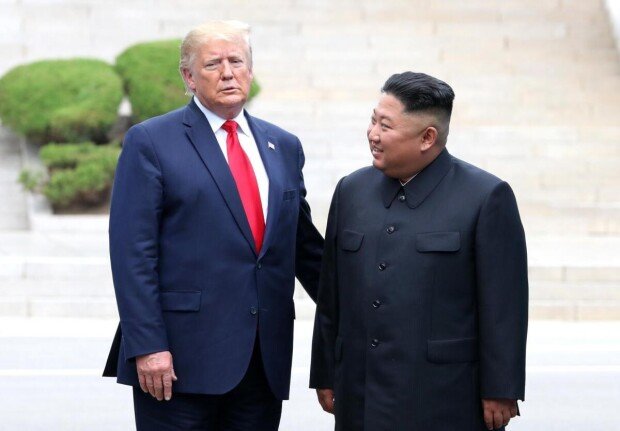
As the Donald Trump administration has decided to approve sanctions exemptions for humanitarian assistance projects to North Korea, reversing its previous opposition, the path for humanitarian aid by South Korean private organizations has reopened. While the South Korean government views the move as a potential starting point for improving relations with North Korea, it remains unclear whether Pyongyang will accept the assistance.
According to multiple diplomatic sources on Thursday, the Trump administration approved sanctions exemptions for humanitarian aid projects that had been pending review at the U.N. Security Council’s North Korea Sanctions Committee, also known as the 1718 Committee. South Korean Foreign Minister Cho Hyun, who is visiting the United States, raised the issue with U.S. officials during his trip, the sources said, and review procedures resumed after Washington accepted the request. The committee oversees the implementation of sanctions imposed under U.N. Security Council Resolution 1718, which was adopted following North Korea’s first nuclear test, and all decisions require unanimous consent from member states.
A total of 17 humanitarian assistance projects for North Korea have been on hold at the sanctions committee since the first half of last year, including five involving South Korea. The South Korea-related projects include three led by Gyeonggi Province and two run by South Korean private organizations, all of which are extensions of initiatives that previously received sanctions exemptions. The remaining projects consist of eight implemented by international organizations, including the World Health Organization and UNICEF, and four by nongovernmental organizations from the United States and other countries. Most of the initiatives focus on health care, water and sanitation improvements, and nutritional support for vulnerable populations. Each project is estimated to be worth between 200 million and 300 million won. Once unanimous approval is secured, the committee is expected to complete the remaining procedural steps and notify implementing agencies in the near future.
“Our government’s basic position is that humanitarian assistance should continue regardless of political circumstances,” a government official said. “We hope for a positive response from North Korea.”
Some observers interpret the decision as a sign of policy flexibility, reflecting consideration of renewed engagement with North Korea ahead of U.S. President Donald Trump’s planned visit to China in April. “There may be some new developments in the coming days,” a South Korean senior government official told reporters in Washington on Wednesday local time. "The developments were not something as significant as North Korea-U.S. dialogue, but rather a gesture that could serve as a starting point for improving relations with North Korea."
Others caution against attaching too much significance to the decision, noting that sanctions exemptions for humanitarian assistance have been granted in the past as part of routine procedures and that North Korea may show little response. A Seoul diplomatic source said communication channels between North Korea and the United States, including the so-called New York channel, remain inactive, making it uncertain whether the move will lead to substantive talks. “It will be necessary to see whether there are any meaningful changes after North Korea’s upcoming ninth party congress,” the source said.
Na-Ri Shin journari@donga.com






 About Dong-A Ilbo