

U.S. warns South Korea on tech company treatment
U.S. warns South Korea on tech company treatment
Posted January. 29, 2026 09:20,
Updated January. 29, 2026 09:20
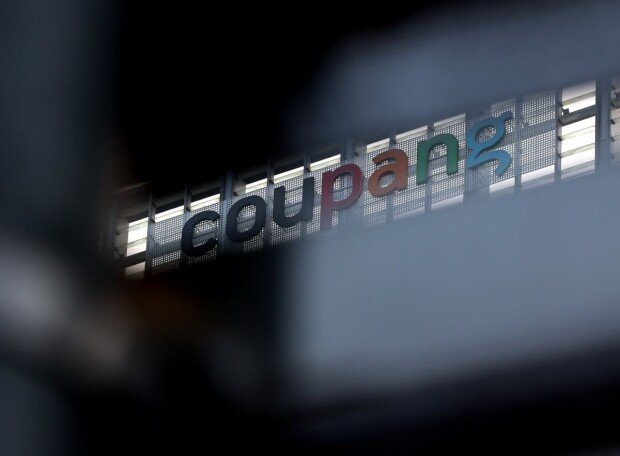
“This is what happens when U.S. companies like Coupang are unfairly targeted,” the Republican-controlled U.S. House Judiciary Committee posted Jan. 27, local time, on the social media platform X. The post included a Truth Social message from the previous day in which U.S. President Donald Trump said he planned to raise tariffs on South Korea to pre-negotiation levels.
The post suggested that the proposed tariff increase is linked to what it described as aggressive actions by the South Korean government and National Assembly against U.S. companies such as Coupang. Some U.S. lawmakers have argued that South Korea discriminates against American firms, siding with Coupang while overlooking large-scale data breaches that exposed South Korean citizens’ personal information. At a Jan. 13 congressional hearing in Washington, D.C. on overseas digital regulation, Rep. Adrian Smith, a Republican who chairs the Trade Subcommittee of the House Ways and Means Committee, said, “South Korea continues to pursue legislative efforts that clearly target U.S. companies.”
U.S. Vice President J.D. Vance warned South Korean Prime Minister Kim Min-seok during a visit to the United States on Jan. 23 about South Korean measures that disadvantage American technology companies, including Coupang, the Wall Street Journal reported. The WSJ said the warning against what it described as discriminatory regulations or investigations targeting U.S. tech firms reflects a broader effort to protect American online platform companies while simultaneously pressuring South Korea through tariff threats.
The newspaper added that while President Trump’s recent tariff-related post focused on delays in South Korean legislation, frustration had been building among some Trump administration officials over South Korea’s treatment of U.S. technology companies and actions involving South Korean Christian churches.
However, the Coupang issue is not widely viewed as the direct trigger for the current tariff pressure. White House officials told the WSJ that disputes involving technology companies and religious matters were not the immediate cause of the tariff threat. A diplomatic source in Washington said, “Given President Trump’s style, he would have raised the Coupang issue directly if he viewed it as central. The absence of such remarks suggests that Coupang is not a primary factor behind this decision.”
Jin-Woo Shin niceshin@donga.com

![[속보]홍명보 야유속 귀국…“돈 뱉고 나가” 욕설 쏟아져](https://dimg.donga.com/c/138/175/90/1/wps/NEWS/IMAGE/2026/06/30/134205841.1.jpg)
![[단독]초봉 5000만원 환경미화원 ‘밀실 면접’ 논란… 81등 역전 합격도](https://dimg.donga.com/c/138/175/90/1/wps/NEWS/IMAGE/2026/06/30/134205664.1.png)
![[사설]당 대표의 ‘기괴한 알박기’에 꼼짝 못 하는 국민의힘](https://dimg.donga.com/c/138/175/90/1/wps/NEWS/IMAGE/2026/06/29/134205596.1.jpg)



 About Dong-A Ilbo