

U.S. pressures memory makers with tariff threat
U.S. pressures memory makers with tariff threat
Posted January. 19, 2026 08:39,
Updated January. 19, 2026 08:39
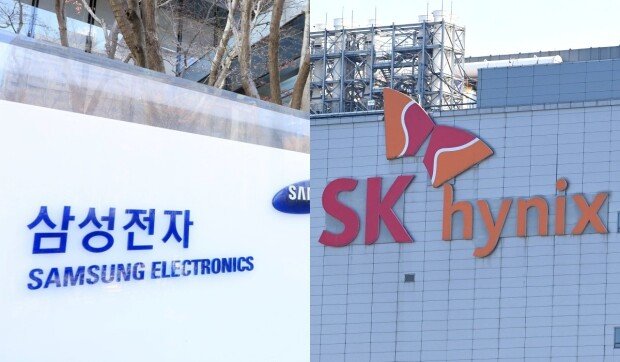
The United States, which has begun discussions on semiconductor tariffs, has now shifted its focus to memory chips and is pressing manufacturers to invest. The move is widely seen as an effort to ensure that high-bandwidth memory, or HBM, which is in short supply in the artificial intelligence era, is produced on U.S. soil. HBM, a core component of South Korea’s semiconductor technology, has so far been manufactured exclusively in South Korea.
Samsung Electronics and SK hynix, which are already investing hundreds of trillions of won to build next-generation memory production hubs in the Yongin semiconductor cluster, are facing growing uncertainty.
According to Bloomberg on Jan. 16 local time, U.S. Commerce Secretary Howard Lutnick told reporters at a groundbreaking ceremony for Micron Technology’s new plant in New York state that there are only two choices for every memory manufacturer. He added, “Either pay a 100 percent tariff or produce your products in the United States.”
Senior U.S. officials, including President Donald Trump, have repeatedly raised the prospect of semiconductor tariffs. However, it is unusual for Washington to single out memory chips and apply pressure by presenting a stark choice between investment and tariffs. Bloomberg characterized the remarks as a warning to memory makers in South Korea and Taiwan.
Until now, the United States has been cautious about imposing tariffs on memory chips. With South Korea accounting for more than 60 percent of the global market, higher tariffs would likely drive sharp increases in information technology prices, from iPhones to AI data centers.
Despite this caution, analysts say Washington’s move to raise the possibility of memory chip tariffs reflects growing concern over recent supply shortages driven by surging demand for high-bandwidth memory, or HBM. U.S. policymakers appear to believe that a domestic artificial intelligence chip ecosystem can be completed only by bringing both South Korean HBM production and Taiwanese foundry capacity onto U.S. soil. A day earlier, the United States said during tariff talks with Taiwan that it had secured commitments from Taiwan Semiconductor Manufacturing Co. to build five additional foundry plants.
Samsung Electronics and SK hynix, which do not operate memory fabrication plants in the United States, are now on heightened alert. In particular, concerns are mounting that relocating production of next-generation memory such as HBM overseas could have direct implications for South Korea’s economic security. An industry official said the issue requires negotiations conducted in close coordination with the government.
이동훈기자 dhlee@donga.com







 About Dong-A Ilbo