

Semiconductor boom pushes South Korea exports to record high
Semiconductor boom pushes South Korea exports to record high
Posted November. 11, 2025 08:25,
Updated November. 11, 2025 08:25
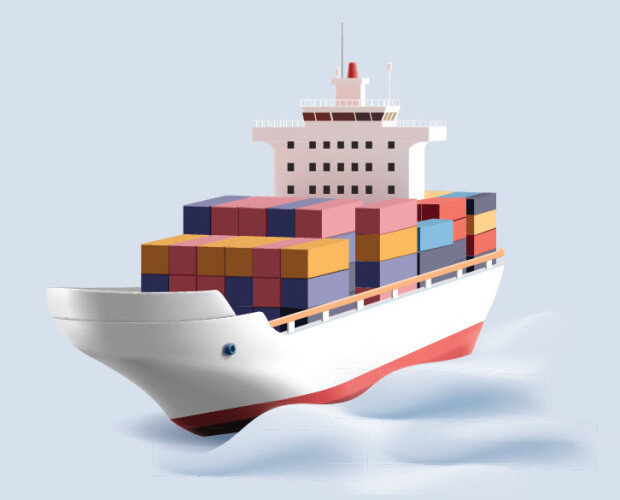
South Korea’s exports reached a record high in the third quarter of this year, fueled by a semiconductor “supercycle.” However, the gains were concentrated among a few large companies, with the top 10 exporters accounting for more than 40 percent of total exports for the first time.
On Nov. 10, the National Data Office released provisional trade statistics by company type, showing that the top 10 exporters accounted for 40.0 percent of total exports in the third quarter. That represented a 2.6 percentage point increase from a year earlier and the highest level since the statistics were first compiled in 2015. Overall exports in the third quarter reached $185 billion, the largest quarterly figure since 2010, with major companies such as Samsung Electronics and SK Hynix responsible for 40 percent of the total.
The rise in third-quarter exports was largely fueled by semiconductors entering a supercycle. Capital goods exports increased 11.2 percent from a year earlier to $111 billion, marking the eighth consecutive quarter of growth and setting a record. Semiconductor exports alone surged 26.4 percent to $46.4 billion.
Consumer goods, including automobiles and home appliances, returned to positive growth after four quarters, reaching $23.9 billion in exports. A National Data Office official said exports to the United States and China declined, while shipments of electric vehicles to Europe and used cars to the Commonwealth of Independent States increased.
Medium-sized enterprises saw exports rise across all three categories, with capital goods up 9.4 percent, consumer goods up 4.4 percent, and raw materials up 2.6 percent, reaching a record high of $32.3 billion. Small enterprises also posted strong growth, with exports totaling $29.8 billion across the three categories, the highest third-quarter figure on record. Despite this, export concentration among large companies showed little improvement, with big firms accounting for 66.1 percent of total exports.
Experts say a diversification strategy is needed to reduce the concentration of exports in specific products and among a few large companies. Song Young-kwan, senior research fellow at the Korea Development Institute, said, “To expand exports of consumer goods and services, the government should explore additional markets, including joining the Comprehensive and Progressive Agreement for Trans-Pacific Partnership. Medium and small enterprises also need to diversify their customer base rather than rely on a single company.”
세종=김수연 기자 syeon@donga.com






 About Dong-A Ilbo