

Nostalgic spending surges among millennials and gen z
Nostalgic spending surges among millennials and gen z
Posted March. 29, 2025 07:13,
Updated March. 29, 2025 07:13
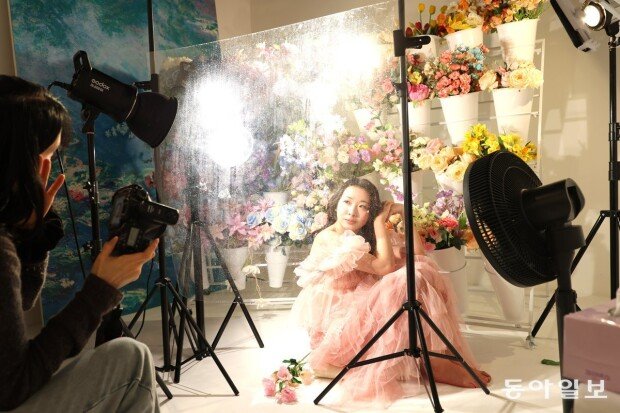
For many in their 20s and 30s, nostalgia isn’t limited to experiences like princess-themed photo shoots—it’s also fueling tangible consumption. Lee Eun-hee, a professor of Consumer and Child Studies at Inha University, said that young adults express their individuality and find emotional comfort through products and merchandise that evoke childhood memories.
A recent craze among the younger generation—centered on the children’s animation Catch! Teenieping—reflects this trend. Originally popular among children aged 4 to 6, the show’s characters are now capturing the hearts of "kidults" (a portmanteau of “kid” and “adult”) in their 20s and 30s. The series features over 100 fairy-like characters with names such as Smartping, Angryping, Hachuping, and Fossilping. Many children love collecting Teenieping dolls and toys, to the point that parents have jokingly dubbed one of them “Bankruptping”—a reflection of how quickly their wallets empty due to the sheer number of products.
Since last year, a meme trend has taken off on social media where members of the 2030 generation refer to themselves as a customized “○○ping” character. Someone with frugal habits might call themselves “Frugalping,” while someone who splurged on a luxury item might adopt “Spendthriftping.” Variations such as “Overtimeping,” “BusinessTripping,” and “Exhaustedping” reflect the realities of young working professionals.
The popularity of Teenieping merchandise has soared in parallel. In August of last year, a coffee franchise began selling Catch! Teenieping figurines targeted at customers in their 20s and 30s. In the first weekend after the launch, overall sales jumped 40% compared to the same period the previous year. Kwak Geum-joo, a psychology professor at Seoul National University, explains that this trend represents the expression of childhood longing through consumer behavior. “For today’s 20- and 30-somethings, buying cute products that evoke childhood memories and forming emotional attachments to them offers emotional satisfaction," said Jo Hyeong-sook, a professor of Early Childhood Education at Chung-Ang University. "This growing tendency to project affection onto objects suggests that the trend will likely continue for some time.”
서지원 wish@donga.com




![[오늘의 운세/6월 14일]](https://dimg.donga.com/c/138/175/90/1/wps/NEWS/IMAGE/2026/06/13/134104335.1.jpg)



 About Dong-A Ilbo