

Low absenteeism masks lack of classroom engagement
Low absenteeism masks lack of classroom engagement
Posted June. 12, 2026 08:21,
Updated June. 12, 2026 08:21
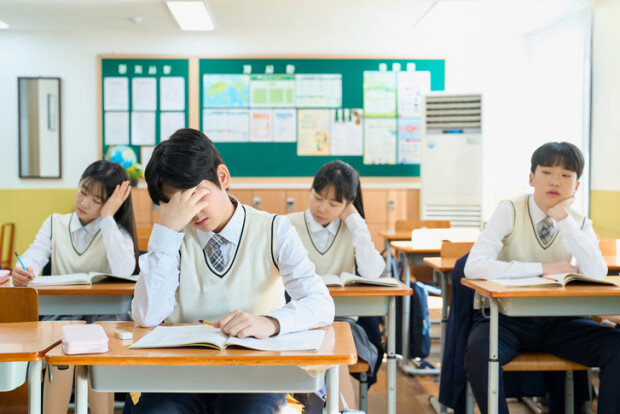
South Korean students have one of the lowest rates of chronic absenteeism among OECD countries, but nearly half say they spend class time sleeping or doing things unrelated to their studies. The findings suggest that attendance alone is not leading to meaningful learning or growth.
According to a report released Thursday by the Korea Educational Development Institute (KEDI), titled "Classrooms Where Attendance Does Not Lead to Growth," data from the OECD's Programme for International Student Assessment (PISA 2022) showed that 7.6% of students across participating countries had been absent from school for three consecutive months or longer. In South Korea, the figure was just 2%.
Simply being in the classroom, however, does not mean students are engaged. A Ministry of Education survey found that 27.3% of students often sleep during class, while 19.2% said they frequently engage in activities unrelated to the lesson.
More students are also choosing to leave school after weighing the academic advantages and disadvantages of remaining enrolled. Data from the School Information Disclosure Service showed that the high school dropout rate rose from 1.1% in 2020 to 2.1% in 2024, marking five consecutive years of increases. The largest share of dropouts, 68.8%, fell into the category of "other reasons," including preparation for high school equivalency exams and participation in alternative education programs.
Min Yun-kyung, head of research planning at KEDI, said attendance must be accompanied by meaningful participation in learning if schools are to fulfill their educational mission. “For attendance to translate into engagement, society must first recognize that schools are not merely stepping stones for college admissions but places where students learn, develop and grow,” Min said.
김수현 newsoo@donga.com







 About Dong-A Ilbo