

Chipmakers weigh regional plant expansion
Chipmakers weigh regional plant expansion
Posted June. 11, 2026 08:46,
Updated June. 11, 2026 08:46
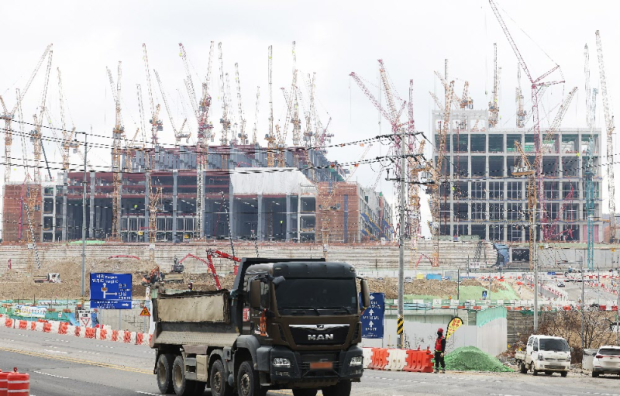
Samsung Electronics and SK hynix are weighing plans to build semiconductor facilities outside the Seoul metropolitan area, including in the southwest, industry sources said.
Samsung Electronics is reviewing a proposal to establish a semiconductor packaging and back-end processing plant in Gwangju, while SK hynix is also considering investment in South Jeolla Province. The scale and location of the projects are expected to become clearer after a meeting later this month between the president and leaders of major conglomerates.
The chipmakers’ interest in expanding outside the capital region reflects mounting practical constraints. Semiconductor clusters in areas such as Yongin and Pyeongtaek in Gyeonggi Province are already approaching capacity, with limited availability of land, power and water. By contrast, southwestern regions are seen as better positioned in renewable energy resources, including solar and wind, and have comparatively easier access to water. Central and local governments are also pushing to attract more investment outside the capital region.
Regional expansion is also viewed as a potential tool for more balanced development and a way to ease what some describe as an informal “southern boundary” that discourages top talent from moving beyond the Seoul area.
At the same time, calls are growing to ensure that major investment decisions remain in corporate hands. During the June 3 local elections, both ruling and opposition parties pledged to attract semiconductor facilities nationwide, raising concerns that companies could come under indirect political pressure. Critics say local governments and political actors should not push firms to locate specific stages of production in designated regions.
In particular, industry observers note that it would be difficult for companies to accept calls to disperse front-end fabrication plants, which rely on tightly integrated ecosystems involving hundreds of materials, parts and equipment suppliers. Given the capital-intensive nature of the semiconductor industry and its sensitivity to global competition, companies should be allowed to make strategic decisions based solely on competitiveness.
Once firms finalize decisions based on rigorous commercial and strategic considerations, broad government support will be essential. Last year alone, Samsung Electronics and SK hynix invested a combined 125 trillion won in research, development and facilities. Even amid uncertain industry conditions, those investments helped lay the groundwork for what could become a semiconductor supercycle.
To ensure those investments pay off, sustained support from the government and local authorities will be critical. That includes timely provision of infrastructure such as power, water and roads, as well as efforts to train skilled workers and ease regulatory burdens. Rather than simply urging companies to relocate, policymakers are expected to focus on creating conditions that make such moves genuinely viable and attractive to industry.







 About Dong-A Ilbo