

Fake AI doctor promoted anti-aging foods
Fake AI doctor promoted anti-aging foods
Posted June. 11, 2026 08:46,
Updated June. 11, 2026 08:46
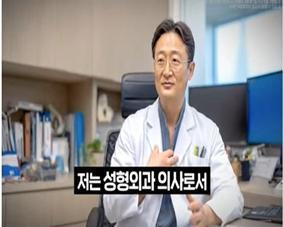
“It offers a far more natural and lasting way to restore youth than cosmetic procedures or plastic surgery.”
In a YouTube video, a man in a white lab coat promoted an anti-aging food product, claiming it was the secret to looking 10 years younger. But the apparent physician was not real. He was an artificial intelligence-generated character.
South Korea’s Ministry of Food and Drug Safety said Tuesday it had referred a company to prosecutors for allegedly using an AI-generated doctor to market ordinary food products as having anti-aging benefits. The company created a fictional middle-aged physician and featured him in advertisements on its online shopping mall and YouTube channel, promoting processed products containing vitamin C and yeast-based ingredients as if they could help slow aging.
The videos were removed during an administrative investigation in November after authorities asked platform operators to take them down to prevent further consumer harm. The company, however, continued selling the products. From September last year through May, it sold about 650,000 units and generated 8.1 billion won ($5.9 million) in revenue.
Under South Korea’s Food Labeling and Advertising Act, advertisements featuring endorsements from professionals such as doctors and pharmacists are prohibited. With the rapid rise of AI- and deepfake-generated advertising, the ministry amended the law last month to explicitly ban promotions in which virtual experts recommend food products, cosmetics or pharmaceuticals.
Kim Jin-hwi, head of the ministry’s Central Investigation Unit for Harmful Practices, said authorities would employ a three-pronged enforcement system combining online monitoring, administrative inspections and criminal investigations to crack down on deceptive AI-driven advertising.
“We will thoroughly root out illegal marketing practices that use AI technology to mislead consumers,” Kim said.
이호 기자 number2@donga.com







 About Dong-A Ilbo