

Tezuka manga on Korean discrimination republished
Tezuka manga on Korean discrimination republished
Posted June. 04, 2026 08:15,
Updated June. 04, 2026 08:15
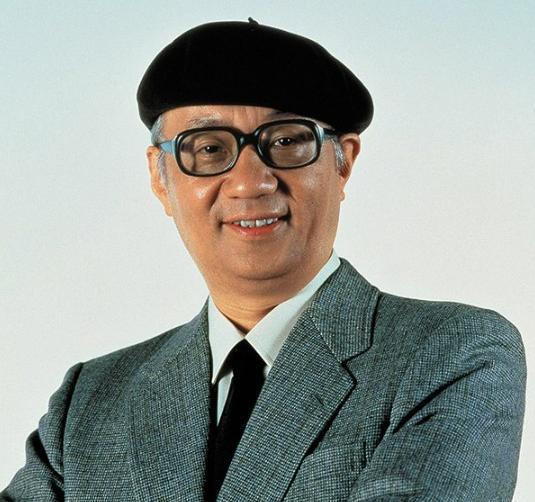
A rare short manga by Osamu Tezuka (1928-1989), the acclaimed creator of "Astro Boy" and "Kimba the White Lion" and widely regarded as the father of Japanese manga, has been republished in Japan 56 years after its debut. The work, "Nagai Ana" ("The Long Cave"), tackles discrimination against ethnic Koreans in Japan. Tezuka, a vocal critic of Japanese militarism, once wrote, "As a Japanese person, I feel truly ashamed and sorry." The reissue is expected to renew interest in both the artist and his legacy.
The Asahi Shimbun reported Tuesday that "Nagai Ana" was reissued that day by Hosei University Press. Originally published in the magazine "Sunday Mainichi" in 1970, the manga was never included in Tezuka's collected works and became known as one of his rarest titles. The 50-page story centers on a Korean man who endures brutal exploitation and discrimination while working in the Togariyama air-raid shelter in Gifu Prefecture during World War II. After the war, he acquires Japanese citizenship and conceals his origins as he climbs the social ladder, only to encounter entrenched ethnic prejudice once again.
"Nagai Ana" is widely considered the only work in which Tezuka directly addressed discrimination against Koreans living in Japan. Throughout his life, he remained sharply critical of Japanese militarism and ethnic discrimination. In an article titled "I Want to Appeal to Everyone," published on April 16, 1966, in "Chosun Shibo," the Japanese-language edition of the pro-North Korean newspaper "Choson Sinbo," Tezuka argued that Japanese society should take a greater interest in protecting ethnic education for Koreans in Japan. He wrote that Koreans "did not come to Japan by choice," describing them as "victims of Japanese militarism who were stripped of their history, oppressed and forced into labor." He added, "As one of the Japanese people, I feel truly ashamed and deeply sorry."
The newly released volume also marks the first manga title ever published by Hosei University Press. Ken Akabane, who led the reprint project, told The Asahi Shimbun that he was struck by the work when he first encountered it in 2023 while researching portrayals of minorities in film and popular culture.
"In recent years, a growing tendency to exclude foreigners has taken hold in Japan," Akabane said. "I hoped this work could offer readers a chance to better understand the suffering experienced by those who face discrimination."
In-Chan Hwang hic@donga.com

![[속보]트럼프 “이란과 14일 합의 서명”…혁명수비대 “절대 없을 것”](https://dimg.donga.com/c/138/175/90/1/wps/NEWS/IMAGE/2026/06/14/134105551.1.jpg)




 About Dong-A Ilbo