

U.S. plans forced-labor tariffs on imports
U.S. plans forced-labor tariffs on imports
Posted June. 04, 2026 08:15,
Updated June. 04, 2026 08:15
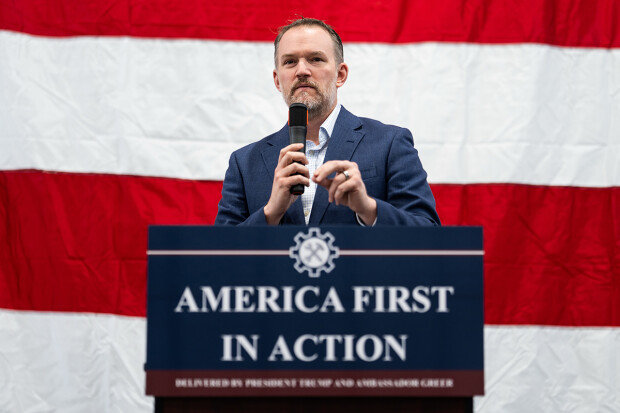
The Office of the United States Trade Representative (USTR) said Tuesday it plans to impose an additional 12.5% tariff on imports from 54 trading partners, including South Korea, China and Japan, arguing that they have fallen short in preventing the import of goods produced with forced labor. Six other economies, including the European Union, Canada and Mexico, would face a lower 10% tariff because they have taken at least some steps to address the issue. The USTR said it will accept public comments through July 6 and hold a public hearing on July 7 before deciding whether to proceed with the tariffs.
In a statement released Tuesday, the USTR said all 60 economies under investigation under Section 301 of the Trade Act had failed to effectively block imports linked to forced labor, creating an unfair burden on trade with the United States. U.S. Trade Representative Jamieson Greer said it was "unacceptable" that America's trading partners had not adequately addressed the issue. "It forces American workers to compete on an unfair global playing field," he said.
The proposed tariffs come about three months after the USTR launched the investigation in March. After reciprocal tariffs imposed worldwide by U.S. President Donald Trump beginning in April last year were struck down by the U.S. Supreme Court in February, the administration turned to Section 122 of the Trade Act as an alternative legal tool, imposing a 10% tariff on imports from around the world. With that measure set to expire in late July because of its 150-day statutory limit, the administration has now signaled plans to pursue a new tariff regime under Section 301.
According to The Associated Press, products cited by U.S. authorities as being tied to forced labor include cotton and polysilicon from China, rice from Myanmar, tobacco from Malawi and beef from Brazil. China has faced particular scrutiny over cotton and other products from the Xinjiang Uyghur Autonomous Region, where Uyghurs and Tibetans have allegedly been subjected to repression. Myanmar's military government has also been accused of forcing ethnic minority groups into rice cultivation. In Malawi, one of the world's poorest countries, victims of human trafficking are frequently exploited in tobacco production.
The USTR is also conducting a separate investigation into industrial overcapacity among major trading partners. South Korea is among the economies being examined and could face additional tariffs depending on the outcome. On Monday, the USTR announced plans to impose a 25% retaliatory tariff on a broad range of Brazilian imports, accusing Brazil of unfair trade practices in areas including digital trade and electronic payment services. The move targets Latin America's largest economy, which has strengthened ties with China while clashing with the United States on several fronts.
Greer also took aim at South Korea in a recent article published in an International Monetary Fund magazine. Arguing that government intervention by America's trading partners has contributed to chronic U.S. trade deficits, he questioned how South Korea became a steel powerhouse despite having limited energy resources and no significant reserves of coal or iron ore.
안규영 기자 kyu0@donga.com

![[속보]트럼프 “이란과 14일 합의 서명”…혁명수비대 “절대 없을 것”](https://dimg.donga.com/c/138/175/90/1/wps/NEWS/IMAGE/2026/06/14/134105551.1.jpg)




 About Dong-A Ilbo