

U.S., Iran near framework agreement
U.S., Iran near framework agreement
Posted May. 25, 2026 08:16,
Updated May. 25, 2026 08:16
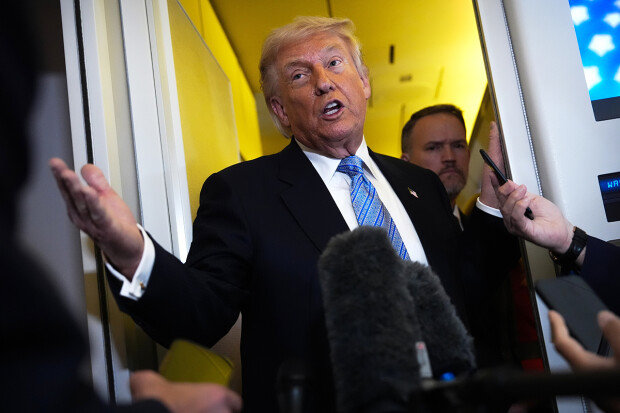
U.S. President Donald Trump said May 23 that negotiations on a memorandum of understanding aimed at ending the conflict with Iran were nearly complete, with only final details left to be resolved.
In a post on Truth Social, Trump said he had discussed the proposed agreement with leaders from countries neighboring Iran, including Saudi Arabia, the United Arab Emirates, Qatar, Pakistan, Türkiye, Egypt, Jordan and Bahrain. Details of the deal will be announced soon, he added.
Earlier that day, U.S. Secretary of State Marco Rubio told reporters in New Delhi that talks with Tehran had made progress. “We may have something to announce later today, tomorrow or in the coming days,” Rubio said.
Iran signaled a similar outlook. Foreign Ministry spokesman Esmaeil Baghaei said Tehran and Washington were narrowing their differences in negotiations over a plan to end the conflict. The remarks suggest the two countries may be drawing closer to their first meaningful agreement since fighting erupted on Feb. 28.
Axios reported May 23 that Washington and Tehran were preparing to sign an MOU that would extend the ceasefire for 60 days, reopen the Strait of Hormuz, allow Iran to resume oil exports and launch negotiations on restrictions to Iran’s nuclear program.
Under the proposed arrangement, Iran would reopen the strategic waterway without charging transit fees despite previous threats to do so. In return, the United States would ease restrictions on Iranian ports and relax some sanctions, allowing Tehran to increase crude exports.
Iran’s Fars News Agency reported May 24 that the draft agreement includes mutual security commitments under which neither the United States and its allies nor Iran and its regional partners would attack one another.
If finalized, the agreement would give the Trump administration a significant diplomatic victory by securing unrestricted passage through the Strait of Hormuz, a critical route for global energy supplies.
Major nuclear issues, however, remain unresolved. Negotiators have left questions surrounding Iran’s stockpile of highly enriched uranium and the future of its nuclear facilities for later talks, postponing some of the most difficult aspects of a broader settlement.
That could leave Trump open to criticism that sanctions relief was offered without achieving what he has repeatedly described as a core objective of the conflict: curbing Iran’s nuclear program.
According to the International Atomic Energy Agency, Iran currently possesses about 440 kilograms of uranium enriched to 60% purity. Experts estimate that amount could be sufficient to produce roughly 10 nuclear weapons if enriched further. The future status of the Strait of Hormuz may also complicate efforts to finalize the agreement.
While the Trump administration said May 23 that the waterway would reopen, Fars News Agency disputed that characterization, saying the strait would remain under Iran’s control.
Jin-Woo Shin niceshin@donga.com








 About Dong-A Ilbo