

Samsung strike fears rattle global chip customers
Samsung strike fears rattle global chip customers
Posted May. 16, 2026 08:21,
Updated May. 16, 2026 08:21
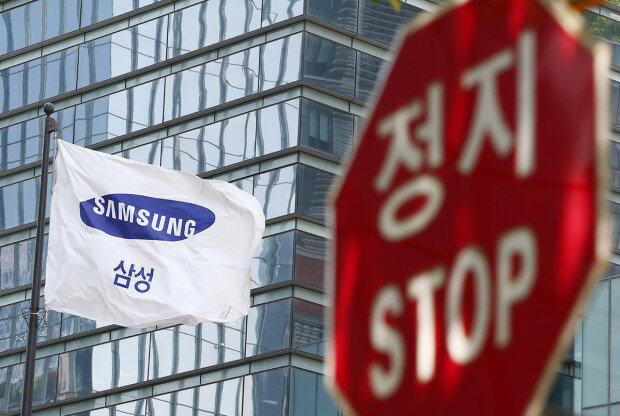
Concerns are mounting among global customers of Samsung Electronics as a planned strike date approaches, raising worries over potential disruptions to semiconductor supply.
According to industry sources on Friday, major clients including Apple and HP have recently sought clarification from Samsung Electronics on the likelihood of labor action, the possible scale of production disruptions and the company’s contingency plans.
The companies rely on Samsung Electronics for memory chips used in smartphones and PCs. Other global tech firms are also said to have raised concerns over whether supplies of memory semiconductors for AI data centers could be affected.
With a strike set to begin on May 21, Samsung Electronics has already started adjusting production to soften the impact. The company is fine-tuning output so that operations can continue with a reduced workforce while limiting potential losses if production lines slow or halt.
The adjustments reportedly include restricting the volume of new wafers introduced at early production stages and shifting capacity toward higher-value processes such as high-bandwidth memory, or HBM. The labor union plans to launch an 18-day general strike starting on the 21st.
As uncertainty builds, there are growing concerns that customers may accelerate efforts to diversify supply chains away from Samsung Electronics. According to Chinese IT outlet Kuai Technology and Japan’s Nikkei, global PC makers including HP, Dell and ASUS have already begun exploring alternatives such as China’s CXMT amid earlier spikes in memory prices.
Experts warn the planned strike could do more than disrupt short-term production, saying it may also erode confidence in Samsung Electronics’ supply reliability.
“Failure to deliver semiconductors on schedule could prompt customers to reassess risk and shift orders elsewhere,” said Kwon Seok-joon, a professor of chemical engineering at Sungkyunkwan University. “Over the longer term, it could also distort Samsung’s demand forecasts and business planning, ultimately affecting the timing of investment in facilities and technology.”
박현익 beepark@donga.com







 About Dong-A Ilbo