

Hospice gap leaves many without dignified care
Hospice gap leaves many without dignified care
Posted May. 04, 2026 08:17,
Updated May. 04, 2026 08:17
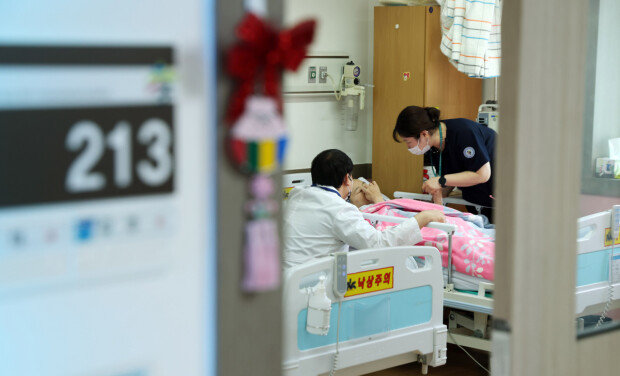
South Korea is in its seventh consecutive year with more deaths than births. Last year, 360,000 people died, about 110,000 more than were born. Yet a peaceful, pain-free death remains out of reach for many.
Of the 81,220 patients who stopped life-sustaining treatment last year, only about 30 percent received hospice-based palliative care. The remaining roughly 57,000 spent their final days moving between nursing hospitals, homes and emergency rooms, often in pain and distress. Many are referred to as “end-of-life refugees,” reflecting the difficulty of finding a proper place to die.
The number is rising. Demand for hospice care is surging as the population ages rapidly, but supply has not kept pace. According to the European Association for Palliative Care, at least 50 hospice beds are needed per 1 million people. South Korea has 38, well below that level. Even among terminal cancer patients, who have relatively better access, about 90 percent say they want hospice care, but only 23 percent receive it. Conditions are even more limited outside the Seoul metropolitan area, where facilities are scarce.
The government has encouraged patients to forgo life-sustaining treatment to reduce medical costs and promote more dignified end-of-life care. In practice, however, alternatives are limited. Although 84 percent of people aged 65 and older oppose life-sustaining treatment, fewer than 20 percent actually stop it. Once treatment ends, families often face a stark choice between taking on heavy caregiving responsibilities at home or relying on repeated hospital visits without adequate support.
Government funding for hospice institutions has also stalled. After rising to 6.966 billion won in 2024, the budget has remained unchanged for three years. Without greater investment, spending on prolonged and often ineffective medical treatment is likely to grow.
Experts say hospice and palliative care infrastructure needs to expand significantly. That includes allowing nursing hospitals, where many end-of-life patients are treated, to offer hospice services and increasing access to home-based hospice care for those who want to die at home. They also call for expanding eligibility beyond terminal cancer to include a wider range of chronic illnesses, including dementia. Patients seeking a dignified death should not be left without options.








 About Dong-A Ilbo