

U.S., Iran weigh talks as truce deadline nears
U.S., Iran weigh talks as truce deadline nears
Posted April. 21, 2026 08:33,
Updated April. 21, 2026 08:33
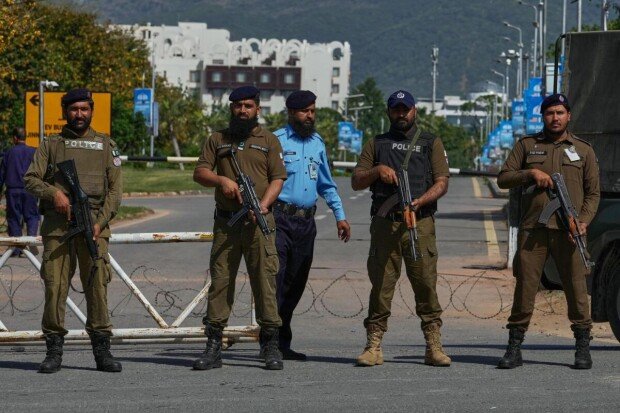
The United States and Iran are considering a second round of ceasefire talks as their two-week truce approaches its expiration on April 21 U.S. Eastern Time, April 22 in Iran. The temporary agreement was reached on April 7.
U.S. Vice President J. D. Vance is expected to join the U.S. delegation after leading the first round of negotiations in Islamabad on April 11 and 12. White House Middle East envoy Steve Witkoff and former senior adviser Jared Kushner are also expected to attend.
Iran has taken a firm stance, criticizing what it calls a U.S. counter-blockade of the Strait of Hormuz that began on April 13. Tehran has said it will not engage in further talks while the measure remains in place.
The disagreement has left the prospects for renewed negotiations uncertain. U.S. President Donald Trump warned on April 19 that if Iran rejects Washington’s proposal, the United States would “neutralize all of Iran’s power plants and bridges,” underscoring the risk of escalation if diplomacy breaks down.
At the same time, Trump has expressed cautious optimism. In an interview with The Wall Street Journal on April 20, he said talks with Iran were ongoing. A day earlier, he told Axios the situation was “going well” and that a broad framework for an agreement had already been outlined. The Wall Street Journal, citing a White House official, reported that Vance is expected to meet Iranian officials in Pakistan on April 21.
Iranian state media have taken a more critical view. Islamic Republic News Agency reported that Washington is obstructing progress toward a ceasefire, casting doubt on whether a second round will proceed. Iranian President Masoud Pezeshkian, speaking by phone with Pakistani Prime Minister Shehbaz Sharif on April 19, accused the United States of undermining diplomacy and questioned its sincerity. Observers note that Iran adopted a similar tone before the first round before ultimately taking part.
Tensions have also intensified in the Strait of Hormuz, a central flashpoint alongside Iran’s nuclear program. On April 19, U.S. forces fired on and seized the Iranian-flagged cargo ship Tuska after it failed to comply with a stop order. It marked the first such seizure since Washington began enforcing its counter-blockade on April 13. The incident came a day after Iran reportedly attacked two Indian vessels passing through the strait.
Trump said U.S. naval forces disabled the Tuska by targeting its engine room to bring it to a halt. Iran’s military condemned the action as a violation of the truce and warned of retaliation, adding that it had launched a drone attack on a U.S. warship.
Jin-Woo Shin niceshin@donga.com







 About Dong-A Ilbo