

Supply crunch hits smaller clinics despite crackdown
Supply crunch hits smaller clinics despite crackdown
Posted April. 15, 2026 09:28,
Updated April. 15, 2026 09:28
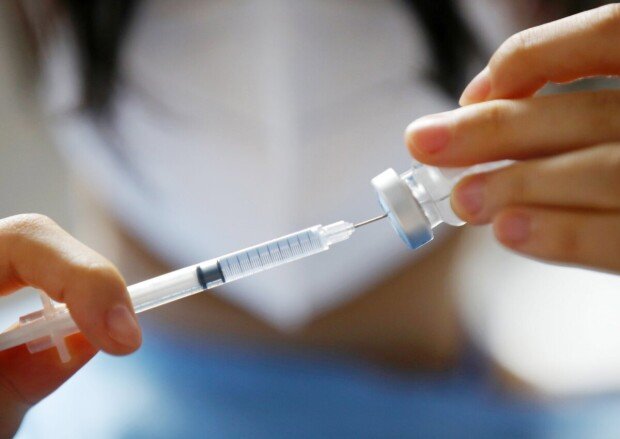
Supply disruptions tied to the prolonged Middle East crisis are tightening access to medical supplies in South Korea, with some clinics reporting less than a month’s worth of syringes despite a government crackdown on hoarding. Medical professionals are calling for stronger measures, including limits on price increases.
Industry officials said Tuesday that the Korean Association of Obstetrics and Gynecology Clinics has received reports that syringe inventories at some facilities have fallen to about one month’s supply. These clinics typically keep two to three months of stock, but inventories have dropped sharply as supply flows have slowed. Some hospitals are said to have only two to three weeks of syringes remaining.
Shortages are most pronounced at smaller providers, including nursing hospitals and local clinics. The head of a nursing hospital in the Seoul metropolitan area said the facility has not received deliveries of syringes and IV infusion sets for two weeks.
“In the past, we replaced IV lines each time we switched antibiotics during intravenous treatment,” the official said. “That is no longer possible.” The official added that keeping the same IV line when changing antibiotics does not pose a medical risk, allowing staff to conserve supplies.
Some analysts say temporary supply tightness may reflect increased stockpiling by larger buyers. An official from the Korea Medical Devices Cooperative said syringe production remains unchanged, suggesting distribution bottlenecks rather than reduced output. Larger hospitals and wholesalers appear to be purchasing more than usual, leaving smaller providers short.
Medical professionals say the government needs to act more decisively to stabilize supply. A nursing hospital director in North Chungcheong Province said authorities should ensure reliable access to essential items such as syringes and consider capping price increases or offering cost support.
The government on Tuesday enforced a measure banning the hoarding of syringes and needles. Manufacturers and distributors are prohibited from holding more than 150 percent of their average monthly sales volume from last year for longer than five days. Refusing to sell without valid reason is also banned. Officials said violations could result in corrective orders and criminal penalties.
Frontline providers say the impact has yet to materialize. The head of an obstetrics and gynecology hospital in the Seoul metropolitan area said supplies remain tight, adding that manufacturers and distributors are still not releasing enough inventory. “It raises concerns that supply is being restricted to drive up prices,” the official said.
조유라 jyr0101@donga.com







 About Dong-A Ilbo