

U.S., Iran fail to reach ceasefire agreement
U.S., Iran fail to reach ceasefire agreement
Posted April. 13, 2026 08:35,
Updated April. 13, 2026 08:35

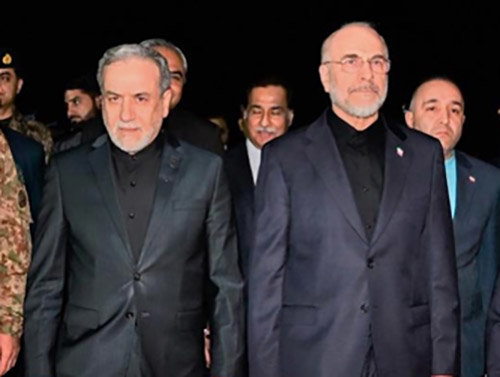
The United States and Iran held roughly 21 hours of ceasefire talks in Islamabad from April 11 into early April 12 local time, but failed to reach an agreement, in the first negotiations since the war began on Feb. 28.
The talks stalled over key issues, including the dismantlement of nuclear materials and the reopening of the Strait of Hormuz. Still, both sides indicated they would review each other’s proposals, leaving open the possibility of further negotiations.
U.S. Vice President JD Vance, who led the American delegation, said at a press conference at the Islamabad Serena Hotel that the two sides held substantive discussions but did not reach an agreement. He added that Washington had made its “red lines” clear.
Although earlier reports suggested the talks might continue for another day, the U.S. delegation departed later that afternoon.
Vance said the central obstacle remained Iran’s commitment to abandoning its nuclear program. He said the United States needed a clear and lasting assurance that Iran would not pursue nuclear weapons, adding that such a commitment had yet to be demonstrated.
According to The New York Times and other media, the negotiations also covered uranium enrichment, the removal of Iran’s stockpiled uranium, the management of the Strait of Hormuz, and whether Israel would halt its strikes in Lebanon.
Iranian Foreign Ministry spokesperson Esmail Baghaei said in remarks carried by the state-run IRNA news agency that some issues had been resolved, but differences over two or three key matters, including the Strait of Hormuz, prevented a breakthrough.
Despite the impasse, both sides signaled a willingness to continue talks. Vance said the United States would watch whether Iran accepts what he described as Washington’s “final and best” offer. Baghaei said the meeting took place after 40 days of war in an atmosphere of deep mistrust, adding that a single round of talks was unlikely to produce an agreement. He said both sides would continue efforts to narrow their differences.
Separately, the United States deployed two naval vessels to the Strait of Hormuz on April 12 to conduct mine-clearing operations. It marked the first time since the conflict began that U.S. warships had entered the waterway, a move seen as aimed at stabilizing maritime traffic while increasing leverage in the negotiations.
Newyork=Woo-seon Lim imsun@donga.com · Geunhyeong Yoo noel@donga.com


![“코 스프레이 2번 뿌렸더니 기억력 쑥”…치매 치료 가능성 [노화설계]](https://dimg.donga.com/c/138/175/90/1/wps/NEWS/IMAGE/2026/05/29/134018314.3.jpg)





 About Dong-A Ilbo