

Strait dispute exposes fragile U.S.-Iran truce
Strait dispute exposes fragile U.S.-Iran truce
Posted April. 10, 2026 09:04,
Updated April. 10, 2026 09:04
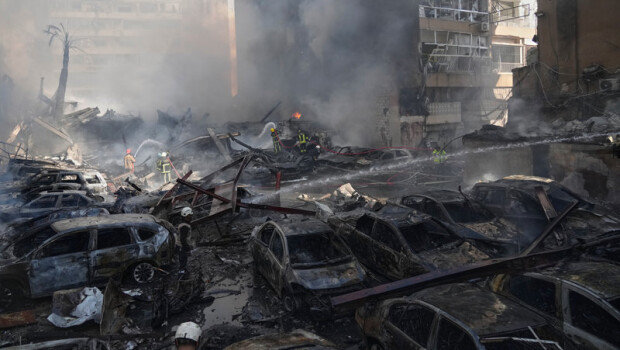
A two-week ceasefire between the United States and Iran is already showing signs of strain, as both sides clash over key issues just a day after the agreement, including access through the Strait of Hormuz.
Tensions rose after Israel continued strikes in Lebanon following the truce. Iran warned it could shut the strait and proposed alternative routes, citing naval mines in the waterway. The move signals an intent to limit transit under Iranian control.
U.S. Vice President J. D. Vance said Washington could reconsider the ceasefire if Iran fails to keep the strait open, highlighting the deal’s fragility.
The standoff may reflect efforts by both sides to gain leverage ahead of talks, but it has also raised concerns that the agreement could unravel. The The New York Times said the truce was already being tested, describing it as a “shaky truce.”
The Strait of Hormuz, a vital corridor for global oil shipments, has become the focal point of the dispute. Iran’s Islamic Revolutionary Guard Corps said it would halt all vessel traffic through the strait, citing Israel’s continued attacks in Lebanon. Lebanon’s health ministry said Israeli airstrikes killed at least 112 people and injured 837 in a single day.
Iran is also weighing a plan to limit traffic to about 12 vessels a day, according to the The Wall Street Journal. It is considering a tiered system that would allow Iranian and allied ships to pass at little or no cost while restricting vessels linked to the United States or Israel.
Analysts say the measures, including designated routes and prior approval requirements, could pave the way for transit fees and tighter screening. They also suggest Iran may seek to use the strait as leverage in future negotiations with Washington.
The United States has signaled unease. U.S. President Donald Trump said on Truth Social on April 8 that U.S. military assets deployed near Iran would remain in place until a final agreement is reached and fully implemented.
Vance, who is set to join talks with Iran in Islamabad on April 11, said all options remain on the table, including a return to conflict. He added that Israel had informed Washington of its intention to refrain from further strikes in Lebanon during the ceasefire.
South Korean President Lee Jae-myung said at a meeting with senior aides on April 9 that it is too early to be optimistic about the outcome. He warned that even if negotiations proceed smoothly, the effects of the conflict could persist for some time.
Jin-Woo Shin niceshin@donga.com




![[천광암 칼럼]호남 반도체 클러스터 성공할까](https://dimg.donga.com/c/138/175/90/1/wps/NEWS/IMAGE/2026/06/28/134198318.1.jpg)



 About Dong-A Ilbo