

U.S. and Iran reach two-week cease-fire agreement
U.S. and Iran reach two-week cease-fire agreement
Posted April. 09, 2026 09:09,
Updated April. 09, 2026 09:09
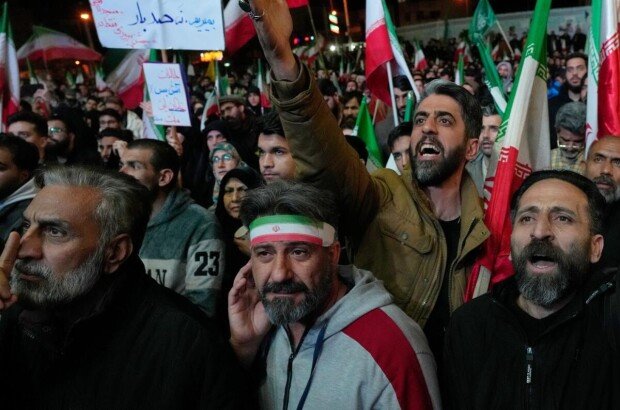
The United States and Iran reached a surprise two-week cease-fire on April 7, halting 39 days of conflict that began with a U.S.-Israeli strike on Iranian targets on February 28. The agreement came just 88 minutes before the deadline set by U.S. President Donald Trump to suspend attacks on Iranian nuclear and strategic sites, narrowly averting an immediate escalation.
Under the cease-fire, Iran pledged to allow safe passage through the Strait of Hormuz, a key route for Middle Eastern oil that had been blocked after hostilities began. The announcement offered a temporary reprieve for global energy shipments. Analysts caution, however, that sharp disagreements over control of the strait, nuclear enrichment, and missile programs could complicate further negotiations. The two countries are scheduled to meet in Islamabad on April 10 to discuss detailed terms for ending the conflict.
“Subject to the Islamic Republic of Iran agreeing to the COMPLETE, IMMEDIATE, and SAFE OPENING of the Strait of Hormuz, I agree to suspend the bombing and attack of Iran for a period of two weeks," Trump said on Truth Social at 6:32 p.m. “The reason for doing so is that we have already met and exceeded all Military objectives, and are very far along with a definitive Agreement concerning Longterm PEACE with Iran, and PEACE in the Middle East."
Earlier on April 7, Trump had escalated tensions, warning that “an entire civilization will be destroyed tonight,” before abruptly accepting a cease-fire proposal mediated by Pakistan. Iranian Foreign Minister Abbas Araghchi confirmed the truce, saying Iran would halt defensive operations if attacks stopped, and that safe navigation through the Strait of Hormuz would be coordinated with Iranian forces during the two-week period.
Despite the cease-fire, major differences remain. Iran submitted a ten-point plan that includes provisions for uranium enrichment, retaining control over the Strait of Hormuz, withdrawal of U.S. combat forces from the region, assurances against renewed hostilities, and compensation for war damages. The United States has said it is “willing to discuss” these points, signaling it does not intend to accept Iran’s demands unilaterally. Analysts warn that the brief two-week period may be too short to produce a lasting agreement. The Wall Street Journal reported on April 7 that a sustainable accord between the United States and Iran remains uncertain.
Jin-Woo Shin niceshin@donga.com








 About Dong-A Ilbo