

Kori-2 reactor to resume operations after long pause
Kori-2 reactor to resume operations after long pause
Posted November. 14, 2025 07:36,
Updated November. 14, 2025 07:36
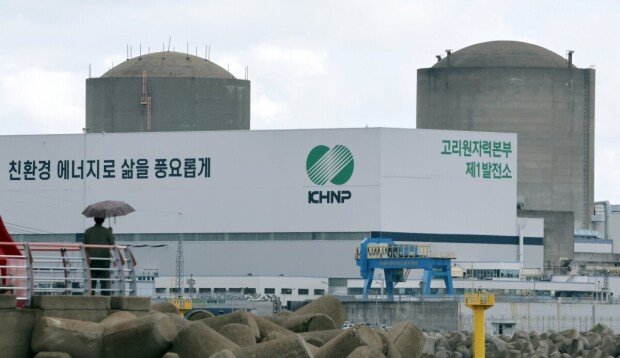
The Kori-2 nuclear reactor, South Korea’s third-oldest power plant, will resume operations after being shut down for two years and seven months when its design life expired. The restart follows three rounds of deliberation. However, because the decision was delayed, the reactor’s extended operating period will last only about seven years, until 2033.
The Nuclear Safety and Security Commission held a meeting on Nov. 13 and approved a 10-year extension for Kori-2’s operation, with five of its six members voting in favor. As a result, the reactor, whose design life expired in 2023, can continue operating until 2033. Korea Hydro and Nuclear Power, which operates the plant, plans to restart Kori-2 within three months. The reactor has an annual generation capacity of about 650 megawatts.
Kori-2 began commercial operation on April 9, 1983. Excluding the permanently closed Kori-1 reactor, which was shut down in June 2017, and Wolsong-2, which ceased operation in June 2018, it is now South Korea’s oldest operating nuclear reactor. Kori-2 reached the end of its 40-year design life on April 8, 2023, and has remained offline since. Although the reactor could have continued operating without interruption through a timely license renewal, the process was delayed under the Moon Jae-in administration’s nuclear phaseout policy, resulting in the shutdown.
With the commission’s latest decision, analysts say the prospects have improved for extending the operating life of nine other reactors scheduled to reach the end of their design lives by 2029.
세종=김수현기자 newsoo@donga.com


![“1000만원 줄 테니 나가달라”…집주인 제안, 받아도 될까 [집과법]](https://dimg.donga.com/c/138/175/90/1/wps/NEWS/IMAGE/2026/06/19/134130634.3.jpg)
![‘월급 50만원, 아파트는 4억’ 베트남…청년들 “그냥 평생 월세 살란다”[딥다이브]](https://dimg.donga.com/c/138/175/90/1/wps/NEWS/IMAGE/2026/06/19/134141662.1.png)


 About Dong-A Ilbo