

Fertility growth led by rebound in second-child births
Fertility growth led by rebound in second-child births
Posted August. 28, 2025 07:43,
Updated August. 28, 2025 07:43
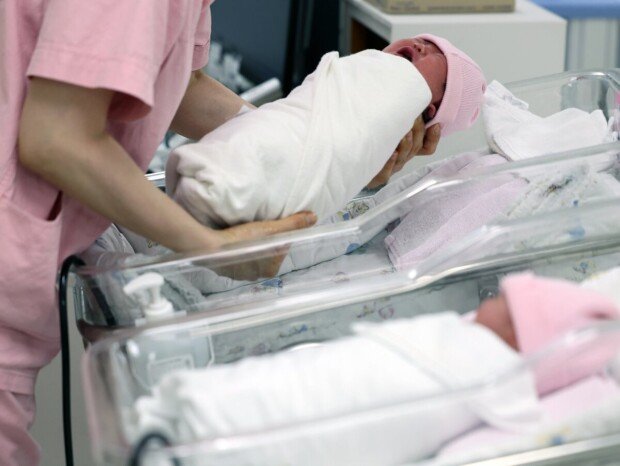
The number of second children born last year rebounded for the first time in nine years, since 2015. Fueled by the “second child effect,” births in the first half of this year surpassed 126,000, marking the highest growth rate ever recorded for that period.
According to birth statistics released by Statistics Korea on Aug. 27, the number of births last year reached 238,300, up 3.6 percent, or 8,300, from the previous year. The total fertility rate, which measures the average number of children a woman is expected to have in her lifetime, stood at 0.75, up 0.03 from the previous year. By region, South Jeolla and Sejong recorded the highest total fertility rate at 1.03, while Seoul had the lowest at 0.58. The average age of parents at the birth of their first child was 35.4 for fathers and 33.1 for mothers.
In particular, the number of second children born last year contributed to the overall rise in fertility. Second births reached 75,900, up 2.0 percent, or 1,500, from the previous year. Second-child births had steadily declined since 2016, when 152,700 were recorded, falling below 70,000 in 2023 (74,400) before rebounding last year. Meanwhile, third-child births fell 5.8 percent to 16,200
“The recent expansion of multi-child benefits from three children to two appears to have had a positive effect on parents considering having a second child,” a Statistics Korea official explained. The government had earlier relaxed the multi-child criteria starting in 2023, allowing families with two children to receive various benefits, including special allocations in housing lotteries. The National Assembly Budget Office recently analyzed that increased financial support for work-family balance helped drive the rebound in births among working parents last year.
Domestic births have continued to rise this year following last year’s increase. According to population trends released by Statistics Korea on Aug. 27, 19,953 babies were born in June, up 9.4 percent, or 1,709, from the same month last year. This marks the highest growth rate for any June since statistics were first compiled in 1981, and the largest numerical increase for June since 2010 (1,906). The cumulative number of births in the first half of this year reached 126,001, up 8,721, or 7.4 percent, from the same period last year. Both the first-half and second-quarter growth rates, at 7.4 percent and 7.3 percent respectively, are record highs.
“The rise in marriages since the first quarter of last year, an increase in the population of women in their 30s, and a shift toward more positive perceptions of childbirth have all contributed to the increase in fertility,” a Statistics Korea official said. “It remains to be seen whether the upward trend in births will continue through the second half of this year.”
세종=김수현 기자 newsoo@donga.com








 About Dong-A Ilbo