

Royal Joseon shrine returns to Korea after century
Royal Joseon shrine returns to Korea after century
Posted June. 25, 2025 07:07,
Updated June. 25, 2025 07:07
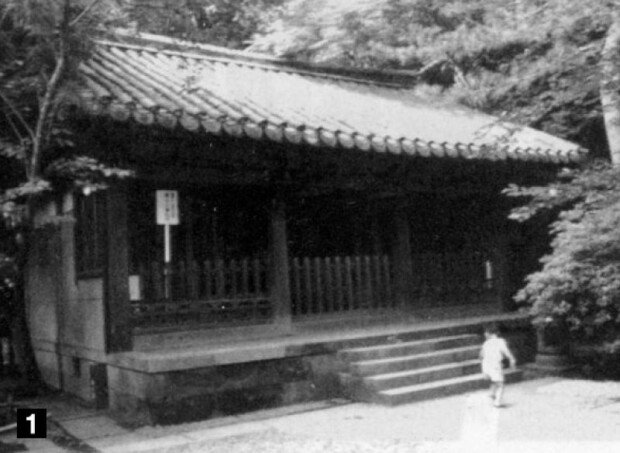
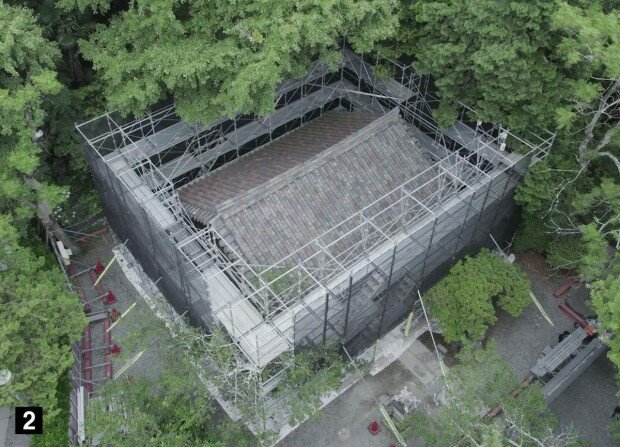
A late Joseon Dynasty wooden structure known as Gwanwoldang has returned to Korea nearly 100 years after it was taken to Japan during the colonial era. This marks the first time a piece of Korean architectural heritage removed overseas has been repatriated in such a well-preserved form.
Believed to have served as a shrine for a daegun, or prince of royal blood, in the 18th or 19th century, Gwanwoldang features intricate dancheong, the traditional decorative painting that signifies high status. After being dismantled in Japan last year, the structure was stored as construction material while awaiting further research. Its original location in Korea remains unidentified, drawing strong interest from scholars.
Professor Lee Kyung-ah of Seoul National University’s Department of Architecture explained that a Japanese man named Sugino brought the building to his residence in Tokyo's Meguro district. After falling ill with tuberculosis, he relocated it beside Kotoku-in Temple while constructing a villa. He is believed to have donated it to the temple sometime between 1934 and 1936. The name “Gwanwoldang” came into use only after the structure was moved to Kotoku-in, where it was used as a prayer site enshrining a statue of Avalokitesvara Bodhisattva.
The building is a gabled-roof structure with three bays at the front and two on the side. Fireproof walls were installed on all sides except the front. Its design and scale reflect the style of Joseon-era shrines known as samyo. However, researchers believe parts of the building were modified in Japan. Its current foundation stones are made from andesite and tuff sourced from Kanagawa and Tochigi prefectures.
Despite these alterations, the vibrant roof tiles and dancheong clearly indicate royal origins. Eaves tiles are decorated with dragon and bat motifs, while the painted details feature cloud patterns and manja (卍) symbols. Son Hyun-sook, director of the East Asian Traditional Art Research Institute, said the dancheong was likely repainted in the late 19th century. She added that comparing it with earlier works from the late 18th and early 19th centuries provides valuable insight into stylistic changes in royal architecture. “Its academic value is extremely high,” she said.
이지윤기자 leemail@donga.com



![“앤트로픽 버렸다” 미국 개발자들이 중국 AI로 갈아타는 이유[딥다이브]](https://dimg.donga.com/c/138/175/90/1/wps/NEWS/IMAGE/2026/06/24/134171473.1.jpg)




 About Dong-A Ilbo