

China expands rare earth curbs with full oversight
China expands rare earth curbs with full oversight
Posted June. 06, 2025 07:16,
Updated June. 06, 2025 07:16
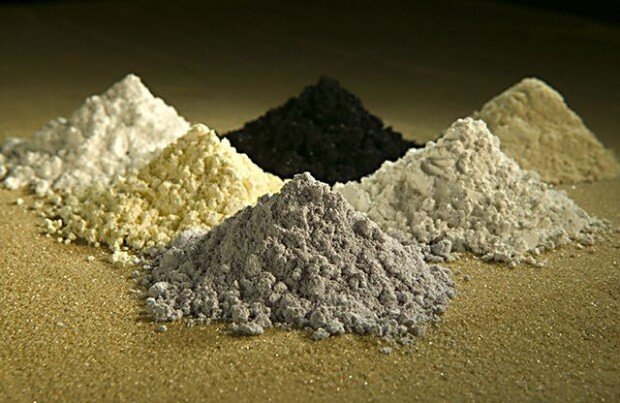
China, which has been restricting exports of seven key rare earth elements such as samarium and dysprosium in its trade war with the second Trump administration, has recently launched a tracking system that monitors the entire supply chain from production to final sale, Reuters reported Thursday. Analysts say the move reflects China’s growing push to weaponize its dominance in rare earths. The tightened controls are expected to heighten tensions with the Trump administration, which has repeatedly criticized Chin
a’s export restrictions.
Beginning last week, the Chinese government started requiring rare earth producers to submit additional data online, including transaction volumes and the names of their customers, according to Reuters. The report said this indicates China’s intent to formalize and enforce its export control framework over rare earths and related magnets, materials in which it holds an overwhelming production edge.
Last month, China’s Ministry of Commerce convened a special task force meeting with other agencies to crack down on smuggling of strategic minerals. Chinese authorities signaled a renewed commitment to enforcing export restrictions more strictly. China has also begun extending controls to minerals beyond the original seven rare earths. In December, it added antimony and gallium to the list, followed by tungsten and bismuth in February.
Experts both within and outside China expect the tightening of controls to extend beyond rare earths to other strategic minerals. Many anticipate that Beijing will impose broader export restrictions, not only targeting Washington but also affecting other countries, as part of a wider effort to strengthen its grip on global mineral supply chains.
Chul-Jung Kim tnf@donga.com

![[단독]“14억 인구 언어도 못하나” 지적에…외교부 통역 전담 ‘통역실’ 만든다](https://dimg.donga.com/c/138/175/90/1/wps/NEWS/IMAGE/2026/04/30/133843998.1.jpg)
![고1 男 173cm, 女 161cm… 미국만큼 큰 키[횡설수설/우경임]](https://dimg.donga.com/c/138/175/90/1/wps/NEWS/IMAGE/2026/04/30/133845047.2.jpg)



 About Dong-A Ilbo