

U.S.-China trade talks resume in Geneva, no deal yet
U.S.-China trade talks resume in Geneva, no deal yet
Posted May. 12, 2025 08:11,
Updated May. 12, 2025 08:11
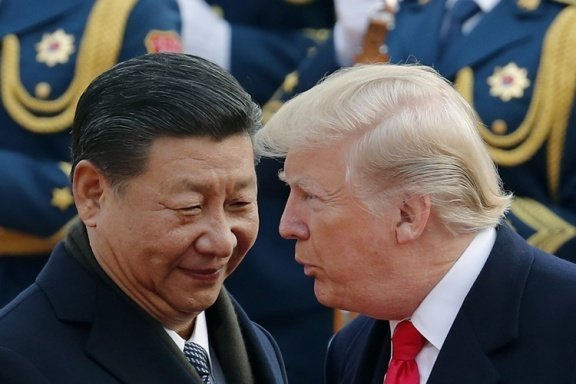
U.S. and Chinese negotiators met in Geneva on May 10 for trade discussions, marking the first formal talks since the tariff war initiated during the Trump administration. Over 10 hours, representatives from both nations worked to ease ongoing trade tensions, with talks continuing into May 11.
Despite U.S. President Donald Trump’s optimistic statement following the talks, neither country issued an official statement or provided specifics on the discussions. U.S. Treasury Secretary Scott Bessent and Chinese Vice Premier He Lifeng, who led the talks, also remained silent on the outcome.
● Trump calls for trade reset
Trump described the talks as “very good” on his Truth Social account, noting that numerous issues were addressed and agreements were made. He called it a “total reset” of U.S.-China trade relations, emphasizing the need for China to open its markets to American businesses. Trump expressed confidence that the discussions had made significant progress.
The negotiations, which ran from 10 a.m. to 8 p.m., were led by Bessent and He, but no formal agreements were reached. Major news outlets noted the lack of clear results. The New York Times reported the talks continued for at least eight hours, excluding meal breaks, and ended without a final deal. Similarly, the Wall Street Journal highlighted the absence of statements from either side.
● Trump suggests tariff reduction
In a related development, Trump signaled a potential tariff reduction on Chinese imports. On May 9, he proposed lowering tariffs on Chinese goods from the current 145 percent average to 80 percent. The Wall Street Journal interpreted this as a negotiation tactic aimed at influencing Bessent’s approach, though the Financial Times cautioned against interpreting Trump’s comments too literally.
U.S. Commerce Secretary Howard Lutnick added that the two countries could agree to a tariff rate closer to 34 percent. Sources indicated that an agreement on fentanyl-related issues could lead to the removal of some tariffs, with China considering increased purchases of U.S. goods and greater investments in the U.S.
Trump also suggested that the 10 percent global reciprocal tariff could include exceptions, particularly for nations that make special concessions to the U.S. He mentioned a recent trade agreement with the United Kingdom as an example of what such deals could look like.
Woo-Sun Lim imsun@donga.com



![“앤트로픽 버렸다” 미국 개발자들이 중국 AI로 갈아타는 이유[딥다이브]](https://dimg.donga.com/c/138/175/90/1/wps/NEWS/IMAGE/2026/06/24/134171473.1.jpg)




 About Dong-A Ilbo