

Variety shows: ugly duckling turns into swan
Variety shows: ugly duckling turns into swan
Posted April. 15, 2015 07:16,
Variety shows used to be seen negatively in Korea until the 1980s because of the Confucian culture. Popular variety shows were elaborated with words such as vulgar, unhealthy, and broken grammar. Some say that they played a role in depoliticizing the people under the authoritarian regime.
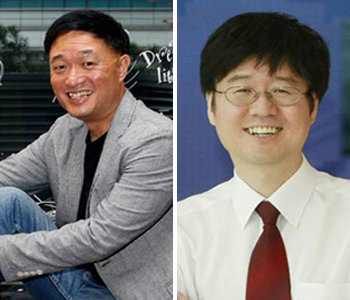
The perception began to change in the 1990s when the authoritarian regime began to lose power. That was when star producers emerged in variety shows. Kim Young-hee, a former producer at MBC who is known as the uncle of the rice store, showcased shows that combined public interests and entertainment such as the Lee Gyeong-gyu Goes (conscientious refrigerators) section of Sunday Sunday Night, and Exclamation Mark. He who recently produced I Am a Singer tendered a resignation letter to MBC on Friday. He is said to create new programs in China.
Joo Chul-hwan, a professor at cultural content department of Ajou University and former producer at MBC, successfully launched shows such as Quiz Academy and The Stage for Friendship. The perception that pop culture is lowly and cheap is anachronistic, he said in the 1990s. We should focus on exporting pop culture that will lead a cultural revolution.
The subjects of variety shows became more diverse in the 2000s, such as a show on health information such as KBSs Vitamin. In the run-up to the presidential election, presidential candidates Park Geun-hye and Moon Jae-in used them for communication with voters. Todays variety shows are about exploring remote areas, observing celebrities private life and talks on North Korean culture. As variety shows become hot topics of debate real time on the Internet and social networking sites, they became more influential.
Variety shows are also beneficial to broadcasters. Once they become popular, they can attract ads constantly with fewer costs than dramas.
jjj@donga.com







 About Dong-A Ilbo