

Trump administration launches Section 301 probe
Trump administration launches Section 301 probe
Posted March. 13, 2026 08:26,
Updated March. 13, 2026 08:30
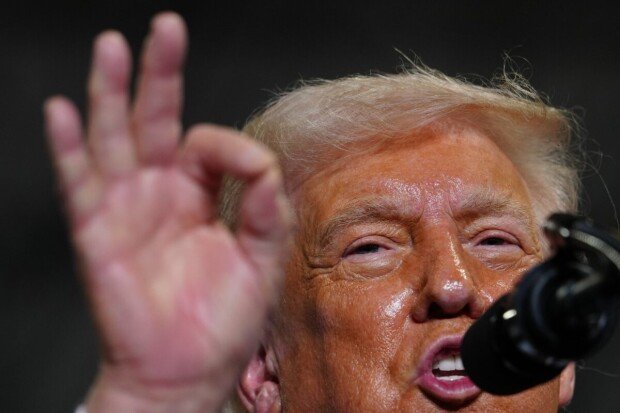
Washington said Wednesday, U.S. Eastern time, that it has opened a Section 301 investigation into 16 economic entities, including South Korea, China, Japan and the European Union. The announcement corresponds to Thursday in South Korea.
Section 301 of the Trade Act allows U.S. President Donald Trump to impose tariffs on countries whose policies are deemed unreasonable or discriminatory toward American companies. The Trump administration imposed a 10 percent global tariff last month under Section 122 of the Trade Act after the Supreme Court of the United States ruled reciprocal tariffs unlawful. The administration has also said it plans to raise that rate to 15 percent. Because the global tariff can remain in place for only 150 days under the law, making it valid through July, Washington aims to complete the Section 301 investigation before then and use it to replace the current tariff framework.
The move became public in the United States on the same day South Korea’s National Assembly was preparing to pass the “Special Act on Strategic Investment Management for South Korea-U.S. Cooperation,” a follow-up measure tied to tariff negotiations between the two countries.
The Office of the United States Trade Representative said in a statement that foreign “overproduction” can displace existing U.S. manufacturing output or discourage investment and expansion in American industry. Washington has framed overproduction as the key rationale for the Section 301 investigation and a potential standard for future action. The term refers to situations in which countries produce more goods than their domestic markets consume, a practice widely viewed as targeting export-driven economies such as South Korea that rely heavily on shipments to the United States.
In a notice in the Federal Register, USTR said that in South Korea’s case, evidence of structural overcapacity and overproduction is indicated by large or persistent trade surpluses. It added that South Korea sustains those surpluses through exports in sectors including electronic equipment, automobiles and auto parts, machinery, steel and shipbuilding.
Meanwhile, U.S. Trade Representative Jamieson Greer said during a media briefing that additional Section 301 investigations are likely. He cited digital services taxes, pharmaceutical pricing and access to rice markets as potential areas of scrutiny. He said Washington could consider tariffs or other measures if those investigations warrant further action.
Jin-Woo Shin niceshin@donga.com






 About Dong-A Ilbo