

South Korea records highest ever club drug seizures
South Korea records highest ever club drug seizures
Posted November. 19, 2025 08:19,
Updated November. 19, 2025 08:19
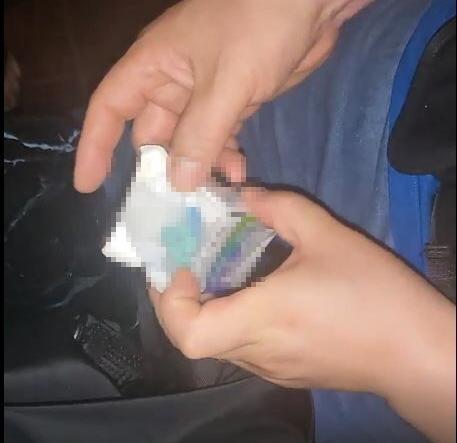
The volume of so-called club drugs, which primarily target younger users, surpassed 100 kilograms for the first time this year. Seizures have increased 7.3 times over the past four years, and large-scale smuggling of ketamine, the most common club drug, has risen sharply.
According to an analysis released on Nov. 18 by the Korea Customs Service, authorities seized a total of 115.9 kilograms of club drugs between January and September. Officials said the amount is enough for about 2.32 million simultaneous doses. Club drugs such as MDMA, ketamine, and LSD are mainly consumed in clubs, parties, and entertainment venues. These substances can cause sensory numbness, hallucinations, reduced fatigue, and heightened stimulation, and some are misused in sexual crimes, prompting close domestic monitoring.
The volume of club drug seizures has increased 7.3 times in four years compared with 2021, when authorities confiscated 15.8 kilograms. In 2022, annual seizures surpassed 50 kilograms for the first time on record. This year, the total exceeded last year’s previous high of 79.9 kilograms within nine months, setting another all-time record.
The total number of seizure cases fell from 215 in 2021 to 116 as of September 2025, a decline of nearly 100 cases. However, the amount seized has continued to rise, reflecting a trend toward larger-scale smuggling operations. High-volume ketamine trafficking is expanding rapidly. The number of ketamine seizures involving more than 1 kilogram increased from one case in 2021 to 15 cases between January and September this year. During the same period, the total quantity jumped from 5.9 kilograms to 101.9 kilograms, an increase of about 17.3 times.
The Korea Customs Service believes international drug trafficking organizations operating in Europe are attempting to smuggle ketamine into South Korea as part of efforts to develop new markets. The leading countries of origin for ketamine shipments this year were France at 57.1 kilograms, followed by the United Kingdom at 11.8 kilograms and Germany at 10.8 kilograms, all of them in Europe.
In response, the Korea Customs Service plans to focus on cutting off supply chains, concluding that the rise in club drug smuggling is likely linked to expanding demand among younger generations. The agency plans to develop and enhance an artificial-intelligence-based system that analyzes and identifies high-risk travelers and cargo. Authorities also intend to conduct intensive inspections targeting high-risk travelers, express cargo, and international mail. Additional drug detection equipment, including millimeter-wave scanners, Raman spectrometers, and ion scanners, will be introduced.
Korea Customs Service Commissioner Lee Myung-goo said club drug smuggling is a serious crime aimed at young people who will be responsible for the country’s future. He said the agency will mobilize all available resources to block drug smuggling at the border.
세종=김수현 기자 newsoo@donga.com







 About Dong-A Ilbo